Democratic Governance and Voting Rights in Corporate Management | حاکمیت دموکراتیک و حق رأی در مدیریت شرکت‌ها

English

مبانی تئوریک:

دموکراسی در محیط کار چیست؟

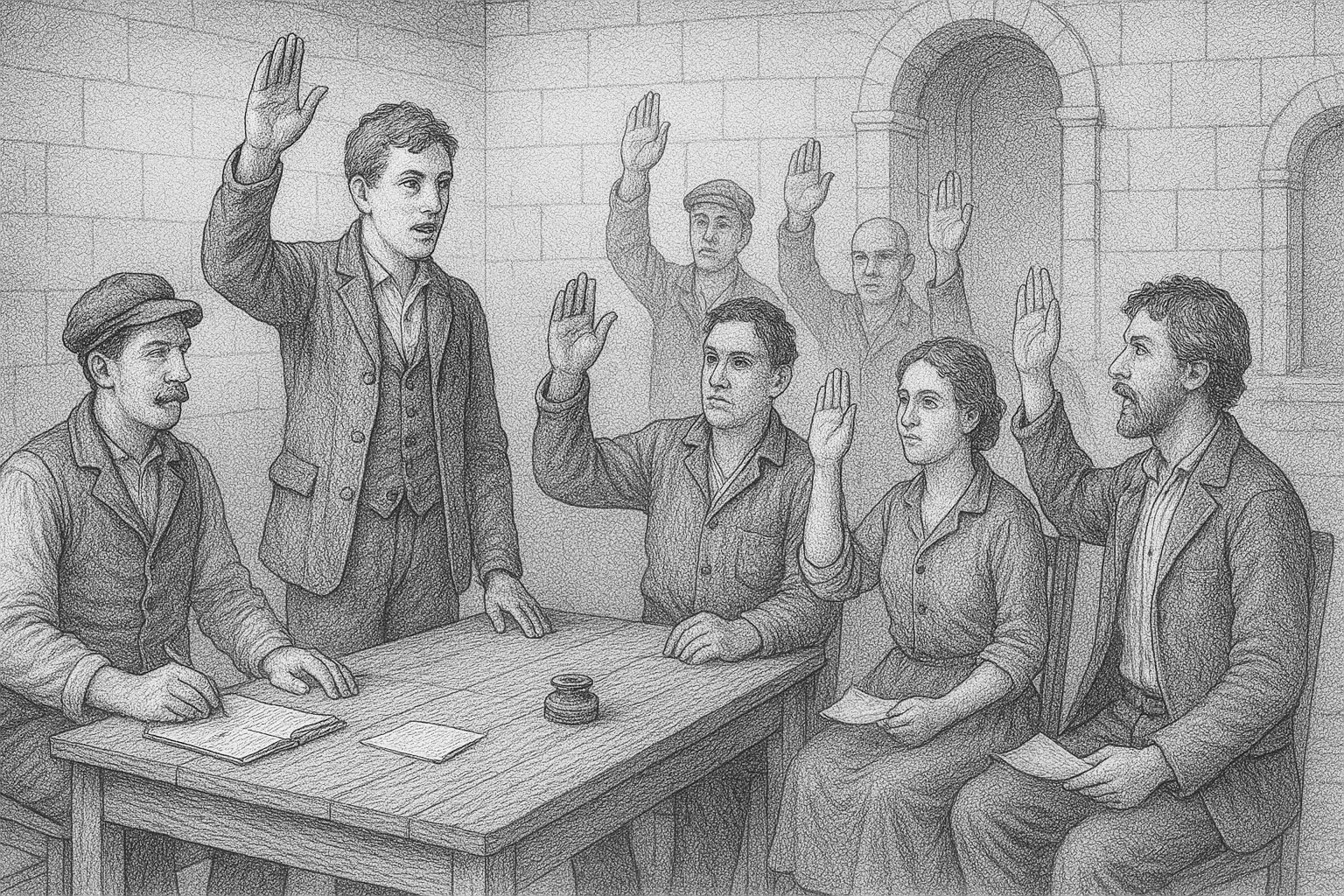
دموکراسی در محیط کار به‌طور کلی به معنای به‌کارگیری شیوه‌های دموکراتیک (رأی‌گیری، گفت‌وگوی آزاد، تصمیم‌گیری مشارکتی) در سازمان‌های تجاری است. در یک محیط کار دموکراتیک، هر کارمند یا عضو حق برابر در تصمیمات کلیدی دارد – به‌عبارت دیگر یک نفر، یک رأی – نه اینکه قدرت صرفاً به سرمایه یا جایگاه سلسله‌مراتبی وابسته باشد. این مدل در تضاد با شرکت‌های سنتی است که در آن حق رأی معمولاً متناسب با میزان سهام است (یک سهم، یک رأی). طرفداران این دیدگاه معتقدند اگر دموکراسی در حوزه سیاسی عادلانه است، باید در محیط کار هم که بخش بزرگی از زندگی افراد را تشکیل می‌دهد برقرار باشد. دانشمند علوم سیاسی، رابرت دال، تضاد میان تعهد ما به ایده‌آل دموکراتیک و نظریه و عمل سلسله‌مراتبی در زندگی روزمره را برجسته کرده است، جایی که اکثر کارمندان تحت قوانین و مدیرانی قرار می‌گیرند که نه انتخابشان کرده‌اند و نه در تدوین آن قوانین نقشی داشته‌اند . به همین دلیل، دموکراسی در محیط کار تلاش دارد مشروعیت قدرت شرکتی را بر مبنای رضایت و مشارکت کارکنان بنیان بگذارد، مشابه شهروندان در یک جامعه سیاسی.

حق رأی برابر در برابر کنترل سهام‌داران:

اصل بنیادین در شرکت‌های دموکراتیک (به‌ویژه تعاونی‌ها) این است که حق رأی برابر است، صرف‌نظر از میزان سرمایه. «اتحادیه بین‌المللی تعاونی‌ها» این موضوع را با عنوان کنترل دموکراتیک اعضا تعریف می‌کند – در تعاونی‌های اولیه، هر عضو تنها یک رأی دارد . برای مثال، گروه تعاونی موندراگون در اسپانیا آشکارا اعلام می‌کند که سرمایه برای کسب‌وکار ضروری است اما حق رأی به همراه نمی‌آورد؛ چرا که رأی‌گیری مختص کارگران-اعضا است و بر مبنای اصل یک عضو، یک رأی انجام می‌شود  . این قاعده تضمین می‌کند که تصمیمات در خدمت کل اعضا باشد، نه فقط صاحبان سرمایه بزرگ. در شرکت‌های سهامی سنتی، کسانی که پول بیشتری سرمایه‌گذاری می‌کنند کنترل بیشتری دارند؛ دموکراسی در محیط کار این نظم را به چالش می‌کشد و می‌گوید کسانی که نیروی کار خود را سرمایه‌گذاری می‌کنند (و بیشترین تأثیر را از تصمیمات می‌پذیرند) باید حقوق برابر در تصمیم‌گیری داشته باشند.

استدلال‌های دانشگاهی:

ایده‌ی حاکمیت دموکراتیک در شرکت‌ها پشتوانه نظری عمیقی دارد. از دید اخلاقی، طرفداران معتقدند این مدل باعث پاسخ‌گویی و عدالت می‌شود: چون رابطه‌ی استخدامی شامل اعمال قدرت بر کارگران است، این قدرت باید از نظر دموکراتیک در برابر کسانی که بیشترین تأثیر را می‌پذیرند پاسخگو باشد . از این زاویه، یک شرکت شبیه به یک جامعه سیاسی است و کارگران باید همانند شهروندان با حق رأی برابر در نظر گرفته شوند.

یک استدلال دیگر اقتصادی و ابزاری است: دادن حق رأی به کارکنان می‌تواند انگیزه، تبادل اطلاعات و تعهد آن‌ها را تقویت کند و در نتیجه باعث بهره‌وری و نوآوری بیشتر شود . اقتصاددانانی مثل بوولز و گینتیس (۱۹۹۳) هر دو نکته را بیان کرده‌اند و معتقدند شرکت‌های دموکراتیک هم پاسخ‌گوتر هستند و هم می‌توانند به بهره‌وری بالاتر برسند، چون کارکنانی که مالک و تصمیم‌گیرنده هم هستند احتمالاً کارآمدتر فعالیت می‌کنند.

مطالعات سازمانی نیز نشان داده‌اند که مشارکت بیشتر کارکنان معمولاً با رضایت شغلی بالاتر، کاهش نرخ ترک کار و در برخی موارد با عملکرد بهتر همراه است . از دیدگاه دموکراسی سیاسی هم کارول پاتمن اشاره کرده بود که مشارکت در محیط کار به آموزش و توانمندسازی افراد کمک می‌کند و به تقویت دموکراسی در کل جامعه منجر می‌شود.

با این حال، تردیدها و چالش‌هایی وجود دارد. مدل‌های اقتصادی اولیه (مثل وارد و وانک) پیش‌بینی می‌کردند شرکت‌های کارگر-مدیریت ممکن است تصمیمات ناکارآمدی بگیرند (مثل سرمایه‌گذاری کمتر یا ناتوانی در رشد) چون سود به‌طور مستقیم بین کارگران تقسیم می‌شود . دیگران نگران‌اند که فرآیندهای دموکراتیک در شرکت‌ها ممکن است کند یا مناقشه‌برانگیز باشد و در شرکت‌های بزرگ چابکی را کاهش دهد. همچنین معضل سرمایه مطرح است: کسب‌وکارها به سرمایه‌گذاری نیاز دارند، اما سرمایه‌گذاران ممکن است وقتی ببینند پولشان قدرت کنترلی نمی‌آورد، تمایلی به سرمایه‌گذاری نداشته باشند.

تعاونی‌ها این مسئله را با محدود کردن سود سرمایه و اتکا به مشارکت اعضا یا صندوق‌های مشترک حل می‌کنند ، اما این موضوع می‌تواند رشد را محدود کند یا نیاز به تأمین مالی خلاقانه داشته باشد. از طرف دیگر، همه کارکنان علاقه‌ای به مشارکت در مدیریت ندارند و ممکن است برخی فقط بخواهند وظایفشان را انجام دهند. بنابراین خطر بی‌تفاوتی یا سواری رایگان هم وجود دارد. برای کاهش این مشکل، بسیاری از شرکت‌های دموکراتیک از نظام‌های نمایندگی (انتخاب شوراها یا کمیته‌ها) استفاده می‌کنند و بر آموزش و شفافیت سرمایه‌گذاری می‌کنند تا مشارکت مؤثرتر شود.

مدل‌های ترکیبی:

حتی در شرکت‌های سنتی هم عناصری از دموکراسی در محیط کار معرفی شده‌اند. برای مثال، چند کشور اروپایی قانون مشارکت کارکنان در هیئت‌مدیره (co-determination) دارند که به کارکنان اجازه می‌دهد یک‌سوم یا حتی نصف کرسی‌های هیئت‌مدیره را انتخاب کنند – مانند آلمان. این موضوع به کارکنان صدای جمعی در سطح عالی مدیریت می‌دهد، اگرچه هنوز به معنای «یک عضو، یک رأی» کامل نیست.

همچنین شرکت‌هایی مثل John Lewis Partnership در بریتانیا ساختاری دارند که عملاً مالکیت شرکت در دست کارکنان است و آن‌ها شوراهای داخلی را انتخاب می‌کنند تا بر مدیریت تأثیر بگذارند. نمونه دیگر شرکت صنعتی برزیلی Semco است که مدیرعامل آن، ریکاردو سملر، اجازه می‌داد کارکنان مدیرانشان را انتخاب کنند و در تصمیمات بزرگ رأی بدهند؛ او این مدل «دموکراسی شرکتی» را عامل نوآوری و رشد شرکت معرفی کرد .

این نمونه‌ها نشان می‌دهد که حتی خارج از بخش تعاونی، شناسایی شده که دادن کنترل بیشتر به کارکنان می‌تواند مفید باشد – اما خالص‌ترین شکل‌ها همچنان در تعاونی‌هایی وجود دارد که از ابتدا بر پایه حق رأی برابر ساخته شده‌اند.

نمونه‌های واقعی

موندراگون (اسپانیا)

مجموعه تعاونی موندراگون (Mondragón Corporation) که در منطقه باسک اسپانیا قرار دارد، معمولاً به‌عنوان نمونه اصلی دموکراسی در محیط کار در مقیاس بزرگ شناخته می‌شود. این مجموعه در سال ۱۹۵۶ توسط کشیشی به نام خوزه ماریا آریزمن‌دیاریه‌تا تأسیس شد و از یک کارخانه کوچک کارگری-مالک به شبکه‌ای از بیش از ۸۰ تعاونی با حدود ۷۰ هزار کارمند-عضو تبدیل شده است.

در تعاونی‌های موندراگون، هر کارگر-عضو در مجمع عمومی یک رأی دارد و می‌تواند در انتخاب شورای حاکم یا تصمیم‌گیری‌های کلیدی شرکت کند. اصل «یک عضو، یک رأی» به‌صراحت در منشور موندراگون ثبت شده است. سرمایه برای فعالیت ضروری است، اما هیچ امتیاز اضافه‌ای در حق رأی ایجاد نمی‌کند. بازده سرمایه محدود است و اولویت با منافع نیروی کار است.

ساختار حاکمیت:

مدل موندراگون ترکیبی از دموکراسی مستقیم و نمایندگی است. هر تعاونی جلسات عمومی دارد که همه اعضا می‌توانند در آن رأی دهند و هیئت‌مدیره یا شورای حاکم را انتخاب کنند. در سطح فدراسیون، تعاونی‌ها نمایندگانی به «کنگره تعاونی» می‌فرستند. قدرت از پایین به بالا جریان دارد – یعنی قدرت هر تعاونی در پایگاه اجتماعی آن است و نهادهای بالاتر فقط با تفویض اختیار حق تصمیم‌گیری دارند.

مدیران در موندراگون پاسخ‌گو به کارگر-اعضا هستند؛ حتی مدیران ارشد در نهایت با تأیید یا انتخاب اعضا منصوب می‌شوند. همچنین نسبت حقوق در موندراگون محدود است (فاصله زیاد بین بالاترین و پایین‌ترین حقوق وجود ندارد) و مکانیزم‌هایی برای کمک به تعاونی‌های بحران‌زده وجود دارد.

دستاوردها و چالش‌ها:

مدیریت دموکراتیک موندراگون به تعهد بالای کارکنان، نوآوری و انعطاف‌پذیری نسبت داده شده است. موندراگون توانسته در صنایع مختلف از تولید تا خرده‌فروشی و خدمات مالی رقابت کند و به هفتمین گروه صنعتی بزرگ اسپانیا تبدیل شود.

مطالعات دانشگاهی نشان داده‌اند که این مدل باعث نوآوری و سودآوری بالاتر می‌شود، زیرا مشارکت کارگران بیشتر است.

با این حال، چالش‌هایی هم وجود دارد. با گسترش جهانی، موندراگون مجبور شد کارخانه‌هایی در خارج ایجاد کند که همه کارگران نمی‌توانستند عضو تعاونی شوند و این موضوع با اصول دموکراتیکش در تضاد بود. همچنین در بحران‌ها، مانند ورشکستگی تعاونی لوازم خانگی فاگور در ۲۰۱۳، شبکه مجبور شد بسیاری از کارکنان را به دیگر تعاونی‌ها منتقل کند. این نشان می‌دهد که دموکراسی شرکت را از فشارهای بازار مصون نمی‌کند، اما در عین حال انعطاف و همبستگی بیشتری ایجاد می‌کند.

(Eroski – اسپانیا) اروسکی

اروسکی یکی دیگر از نمونه‌های مهم مدیریت دموکراتیک شرکتی است – در اینجا به شکل یک تعاونی ترکیبی کارگر-مصرف‌کننده.

این شرکت در سال ۱۹۶۹ در قالب گروه موندراگون شکل گرفت و امروز یکی از بزرگ‌ترین زنجیره‌های سوپرمارکت اسپانیا است.

ویژگی منحصربه‌فرد اروسکی این است که مالکیت و مدیریت بین دو گروه تقسیم می‌شود:

-کارکنان (کارگر-اعضا)

-مشتریان (مصرف‌کننده-اعضا)

هر دو گروه حقوق برابر در رأی‌دهی دارند.

مجمع عمومی اروسکی متشکل از ۵۰۰ نماینده است: ۲۵۰ نماینده کارکنان و ۲۵۰ نماینده مصرف‌کنندگان. شورای حاکم (هیئت‌مدیره) نیز ترکیبی برابر از هر دو گروه دارد و معمولاً ریاست آن بر عهده یکی از مصرف‌کنندگان است.

مصرف‌کنندگان با خرید یک سهم نمادین و کارگران با سرمایه‌گذاری از طریق حقوق، عضو می‌شوند. بعد از عضویت، هر کس یک رأی دارد، صرف‌نظر از میزان سرمایه یا خرید.

مزایا و فرهنگ:

این مدل باعث شده که اروسکی همسو با منافع کارکنان و مشتریان اداره شود. کارکنان در سود شریک‌اند و مشتریان در سیاست‌ها نظر می‌دهند. این ساختار باعث تقویت تعهد داخلی و ایجاد فرهنگی مشارکتی شده است.

اروسکی کمپین‌های مشارکتی برای دریافت بازخورد اعضا درباره خدمات و کیفیت فروشگاه‌ها برگزار کرده و این مشارکت به بهبود کارایی و وفاداری مشتری منجر شده است.

البته پیچیدگی‌هایی هم وجود دارد، چون گاهی نیازهای کارکنان و مشتریان در تضاد قرار می‌گیرد. برای مدیریت این موضوع، سازوکارهای مشترکی طراحی شده تا تصمیم‌ها نیازمند توافق هر دو گروه باشد.

مزایا، چالش‌ها و چشم‌انداز آینده

مزایا:

اجرای دموکراسی در مدیریت شرکت‌ها مزایای زیادی داشته است. در شرکت‌های دموکراتیک معمولاً همسویی بیشتری میان مدیریت و کارکنان (یا مشتریان) وجود دارد که باعث کاهش تنش‌های کاری و انسجام بیشتر می‌شود. وقتی کارکنان حق رأی برابر دارند، بیشتر احساس مسئولیت می‌کنند و اطلاعات را آزادانه‌تر به اشتراک می‌گذارند.

برای مثال، در دوران رکود، کارگر-اعضای موندراگون داوطلبانه کاهش دستمزد را پذیرفتند تا از اخراج‌ها جلوگیری شود – این نتیجه فرهنگی است که در آن همه در کنار هم هستند.

همچنین این ساختار به نوآوری کمک می‌کند: چون ایده‌های کارکنان خط مقدم به‌طور جدی در نظر گرفته می‌شود.

از نظر اجتماعی هم، این مدل نابرابری درآمدی را کاهش می‌دهد و حس عدالت و هدف مشترک ایجاد می‌کند.

بسیاری از این شرکت‌ها مأموریت‌های گسترده‌تری هم دنبال می‌کنند. برای نمونه، موندراگون صراحتاً هدف خود را ایجاد هماهنگی میان اقتصاد و اجتماع معرفی کرده و سرمایه‌گذاری زیادی در آموزش و توسعه جامعه انجام می‌دهد.

– دیگر پست‌های بلاگ

چالش‌ها:

با این حال، مدیریت دموکراتیک خالی از مشکل نیست. تصمیم‌گیری جمعی می‌تواند کندتر از تصمیم‌گیری متمرکز باشد، به‌ویژه در بازارهای سریع. رسیدن به توافق در گروه‌های بزرگ دشوار است و می‌تواند منجر به خستگی یا بی‌علاقگی اعضا شود.

مسئله تخصص هم مهم است: رهبران منتخب باید مهارت‌های لازم برای اداره شرکت را داشته باشند. به همین دلیل، بسیاری از تعاونی‌ها روی آموزش مداوم و شفافیت سرمایه‌گذاری می‌کنند.

همچنین تأمین سرمایه یک چالش ساختاری است. چون تعاونی‌ها نمی‌توانند مثل شرکت‌های سهامی به راحتی سهام بفروشند، بیشتر به سرمایه اعضا یا بانک‌های تعاونی وابسته‌اند. این موضوع رشد سریع را محدود می‌کند، هرچند برخی راهکارهای خلاقانه یا حمایت‌های دولتی این مشکل را کاهش داده است.

چشم‌انداز:

به‌طور کلی، دموکراسی در مدیریت شرکت‌ها – چه در قالب تعاونی‌های کارگری با اصل «یک عضو، یک رأی»، چه در قالب مدل‌های ترکیبی – نشان داده که می‌تواند مدلی کارآمد برای هم‌راستایی شرکت با منافع کارکنان و مشتریان باشد.

موفقیت موندراگون در مقیاس بزرگ و رشد اروسکی به‌عنوان یک خرده‌فروش ملی ثابت می‌کند که این مدل نه‌تنها عملی است، بلکه می‌تواند پایدار و رقابتی هم باشد.

در سال‌های اخیر، علاقه به این ایده دوباره افزایش یافته است. کشورها و شرکت‌های بیشتری در حال آزمایش مدل‌های مالکیت کارکنان، قوانین مشارکت در هیئت‌مدیره و استارتاپ‌های تعاونی هستند. این تلاش‌ها هم بر پایه نظریه‌های دانشگاهی و هم درس‌های عملی پیشگامانی مثل موندراگون بنا شده‌اند.

دموکراسی در محیط کار فقط یک مکانیسم نیست؛ بلکه بازتابی از یک فلسفه گسترده‌تر است درباره کرامت انسانی، مسئولیت مشترک و ایجاد سازمان‌هایی که هم از نظر اقتصادی موفق‌اند و هم از نظر اجتماعی عادلانه‌تر و انسانی‌تر.

:منابع

Bowles, S. & Gintis, H. (1993). A Political and Economic Case for the Democratic Enterprise . Economics and Philosophy, 9(1), 75-100.
Mondragón Corporation – Official Website: Principles and Structure.
Knowledge at Wharton (2005). “The Mondragón Cooperative Gives Lessons in Democracy”.
Euro Coop News (2016). “Eroski’s growing membership – putting members at the heart of co-op”.
Cooperative Grocer (2001). “Mondragón’s Eroski as a Mass Retailer”.
International Co-operative Alliance – Cooperative Identity, Values & Principles.
Workplace Democracy – cambridge


Comments

One response to “Democratic Governance and Voting Rights in Corporate Management | حاکمیت دموکراتیک و حق رأی در مدیریت شرکت‌ها”

  1. Salar Tahvildar Avatar

    Theoretical Foundations

    Workplace Democracy Defined: Workplace democracy generally refers to applying democratic practices (voting, open debate, participatory decision-making) to business organizations. In a democratic workplace, each employee or member has an equal say in key decisions – essentially one person, one vote – rather than power being tied to capital contributions or hierarchy. This stands in contrast to traditional corporations, where voting power is typically proportional to shares owned (one share, one vote). Advocates argue that if democracy is just in the political sphere, it should also extend to the workplace where people spend much of their lives. Political scientist Robert Dahl famously highlighted the “contradictions between our commitment to the democratic ideal and the theory and practice of hierarchy in our daily lives,” noting that most employees are governed by managers they did not elect under rules they had little or no say in – a situation at odds with democratic citizenship. In short, workplace democracy seeks to legitimize corporate authority by rooting it in the consent and participation of workers, analogous to citizens in a polity.

    Equal Voting Rights vs. Shareholder Control: A core principle in democratic firms (especially cooperatives) is equal voting rights regardless of capital share. The International Co-operative Alliance enshrines this as “democratic member control” – in primary co-ops each member has one vote; For example, Spain’s Mondragon cooperative group explicitly states that capital is “necessary [for the business] but does not confer the right to vote,” as voting is reserved for member-workers on a one-member-one-vote basis. This “one person, one vote” rule ensures that decisions serve the broad membership rather than just large shareholders. It treats labor sovereignty as paramount, subordinating capital to the will of the human stakeholders. In traditional corporations, by contrast, those who invest more money typically wield more control; workplace democracy challenges that by positing that those who invest their labor (and are most affected by decisions) should have equal decision rights.

    Academic Rationales: The idea of democratic governance in firms has deep theoretical support. Ethically, proponents argue it enhances accountability and justice: since the employment relationship entails power over workers, that power “should on democratic grounds be accountable to those most directly affected.” From this view, a company resembles a polity and workers should be treated as citizens with voting rights, not subjects. Another line of argument is instrumental or economic: giving workers a voice can improve motivation, information-sharing, and commitment, potentially making firms more efficient and innovative. Economist group Bowles and Gintis (1993) make both points, arguing that democratic firms are more accountable and can even achieve higher productivity, as employees who co-own and co-decide may work more effectively. Empirical studies in organizational science have similarly found that greater employee participation often correlates with higher job satisfaction, lower turnover, and can boost performance (though results vary). Classic democratic theorists like Carole Pateman also suggested that participation at work educates and empowers individuals, strengthening democracy in society at large (a civic benefit).

    Of course, skeptics and challenges remain. Early economic models (e.g. by Ward and Vanek) predicted labor-managed firms might make suboptimal decisions (like under-investing or failing to grow) due to how they distribute profits among worker-members. Others worry that democratic decision processes could be slow or conflict-prone in large firms, potentially hampering agility. There is also the capital dilemma: businesses need investment, yet investors may be wary if their capital doesn’t buy control. Cooperative enterprises address this by limiting returns on capital and relying on member contributions or collective funds for finance. This can constrain growth or require creative financing (e.g. revolving funds, community investments). Additionally, not every worker desires to participate in management; some may prefer to simply do their job and let others make decisions, so there can be free-rider or apathy issues in democratic governance. To mitigate this, many democratic firms use representative systems (electing councils, committees, etc.) and invest in education and transparency to encourage informed participation.

    Hybrid Models: Even in traditional corporations, elements of workplace democracy have been introduced. For instance, several European countries mandate co-determination, where employees elect representatives to corporate boards (commonly 1/3 to 1/2 of board seats in large German companies) – giving workers a collective voice in high-level management, though not full one-member-one-vote power over all decisions. Some companies have experimented with employee stock ownership plans (ESOPs) combined with participative management; while ESOP shareholders usually vote in proportion to shares, firms like the John Lewis Partnership in the UK have structured themselves so that effectively the employees (as a trust) own the company and elect internal councils to influence management. Other notable examples include Brazilian industrial firm Semco, whose CEO Ricardo Semler famously let employees elect their managers and vote on major decisions, practicing a radical form of “corporate democracy” that he credits for Semco’s innovation and growth. These hybrids show that even outside the cooperative sector, there is recognition that giving employees greater democratic control can be beneficial – but the purest implementations remain in cooperative enterprises built on equal voting rights from the start.

    Real-World Examples

    Mondragón Corporation (Spain): The Mondragón Corporation (MCC), based in the Basque Country, is often cited as the prime example of workplace democracy at scale. Founded in 1956 by a Catholic priest, José María Arizmendiarrieta, Mondragón grew from a small worker-owned factory into a federation of over 80 cooperative enterprises with around 70,000 employee-owners today. In Mondragón co-ops, each worker-member has one vote in the General Assembly when electing the cooperative’s governing council or deciding major issues. This equal voting principle is a formal core value. Capital investment is important for the business but does not translate to extra votes or control – Mondragón caps the return on capital and prioritizes labor’s interests in decision-making . All members are required to buy a membership stake (part of the cooperative’s capital), but whether one’s stake is larger or smaller, each member’s voice carries the same weight in governance.

    Governance Structure: Mondragón’s model blends direct and representative democracy. Individual co-ops hold General Assemblies where each member can vote (often on a one-member, one-vote basis) and elect a board or governing council. At the federation level, co-ops send delegates to a Cooperative Congress. Power flows from the bottom up – “the power of each cooperative resides in its social base”, and higher bodies only have authority by delegation. This federal structure has allowed Mondragón to remain democratic while coordinating a large group of businesses. Managers in Mondragón are accountable to the worker-owners: indeed, even the top executives are ultimately elected or approved by the membership (indirectly via councils). Mondragón also practices wage solidarity (with relatively low ratios between highest and lowest salaries) and employs collective mechanisms to support co-ops in trouble, reflecting its democratic and mutualist values.

    Outcomes – Successes and Challenges: Mondragón’s democratic governance has been credited with high levels of worker commitment, innovation, and resilience. A University study by Forcadell Martínez found that the cooperative model enabled “greater effectiveness” and “higher levels of innovation and profitability” compared to conventional firms, by tapping into workers’ engagement. Mondragón has indeed competed successfully in industries from manufacturing to retail and finance; it became Spain’s seventh-largest industrial group and was named among the top ten best workplaces in the country by Fortune (citing its egalitarian atmosphere and flexibility). The democratic setup – “one vote for each worker, no matter how much capital he owns” – is seen as key to aligning the company with its people. By “converting people into owners of the company” and sharing profits with them, Mondragón overcame the typical capital-vs-labor conflict, achieving a unity of purpose. Workers empowered as co-owners have offered productivity improvements and suggestions, fueling a virtuous cycle of participation and performance.

    Mondragón is not without challenges. As it globalized, it acquired or opened factories abroad, where not all workers could be made cooperative members, testing the limits of its model. The corporation has had to “duplicate its democratic practices in a growing number of organizations around the world,” which is an ongoing challenge. Additionally, in harsh economic times, democratic firms face tough choices: Mondragón’s cooperatives have sometimes opted to reduce wages or reassign workers to avoid layoffs, choices made via internal democratic deliberation. One notable crisis was the 2013 bankruptcy of its appliance co-op Fagor; Mondragón absorbed many displaced workers into other co-ops, demonstrating solidarity but also exposing strains on the network. These incidents underscore that democracy does not make a business immune to market forces – Mondragón must balance social goals with competitiveness. Still, its longevity and scale show that democratic governance can work in corporate management. As one Wharton analysis concluded, Mondragón represents “success in applying methods of democratic management and participatory leadership” in business.

    Eroski (Spain): Eroski is another real-world showcase of democratic corporate governance – in this case a mixed worker-consumer cooperative in the retail sector. Founded in 1969 as part of the Mondragón group, Eroski has grown into one of Spain’s largest supermarket chains. Uniquely, its ownership and governance are shared between two stakeholder groups: the employees and the consumer-members who shop at Eroski. Both groups enjoy equal voting rights in running the enterprise. Eroski’s General Assembly is composed of 500 delegates – 250 elected by worker-members and 250 elected by consumer-members. This parity is also reflected on Eroski’s Governing Council (board of directors), which has an equal number of worker and consumer representatives (six each, as of the 2000s), with the presidency traditionally held by a consumer-member. In practice, consumers join Eroski by purchasing a nominal share (and even gain store discounts as a perk), and employees become members by investing a certain capital stake (often via payroll deductions over time). Once members, all have one vote in their respective group meetings, and major decisions require the agreement of both the consumer and worker sections – truly embedding the principle that capital contribution size or stakeholder type does not translate into greater power.

    Benefits and Culture: Eroski’s democratic setup aims to align the business closely with both its workforce and its customers. The Euro Coop association praised this model, noting that “the co-operative is made up of worker and consumer groups, where both play an equal role in the governance, management and representation of the cooperative.” This inclusive approach has fostered a high level of internal commitment and a distinctive corporate culture . Decision-making is collaborative: for example, Eroski has held large-scale participatory campaigns to get feedback from members on store improvements. Because employees have a voice and share in profits, and consumers have a voice in how stores are run, there is a strong incentive for service quality and efficiency to improve. Indeed, Eroski’s leadership claims that the co-op’s member-centric governance better positions it to contribute to “a fairer, healthier and more sustainable society” than conventional rivals. Financially, Eroski has returned savings to members and weathered competitive pressures in Spain’s grocery market, in part by leveraging member loyalty and input. During its expansions, the democratic structure had to evolve (scaling up delegate systems, etc.), but it remains intact. Observers note that having two stakeholder groups adds complexity – potential conflicts between consumer desires and worker needs must be negotiated. Eroski manages this via joint committees and the balanced governance bodies. The result is a kind of built-in check-and-balance: decisions must earn broad support, not just please one constituency.

    Other Examples: Beyond Mondragón and Eroski, countless cooperatives around the world operate on one-member-one-vote principles. Prominent consumer cooperatives (for instance, Britain’s Co-operative Group or Credit Unions in finance) give each member equal voting rights in annual meetings, regardless of how much they use the co-op’s services. Agricultural and producer co-ops (like the Ocean Spray cranberry growers’ cooperative in the U.S.) similarly typically allot votes by member (sometimes weighting by size, but often capped to prevent dominance). In the realm of worker cooperatives, there are many smaller but notable firms: for example, Equal Exchange (a fair-trade coffee cooperative in the U.S.) and Arizmendi Bakery cooperatives both practice workplace democracy with each worker having an equal vote in governance. These enterprises tend to emphasize equitable reward distribution, job security, and community impact as goals alongside profit. Studies have found that worker co-ops can have longevity equal or superior to conventional businesses and often exhibit narrower pay differentials and higher employee satisfaction.

    Even within investor-owned companies, experiments in democratic practices have shown positive outcomes. We mentioned Semco in Brazil, where employees voting on corporate matters led to a highly adaptive, engaged workforce (Semco’s revenues grew exponentially under its democratic management style). In the tech sector, some startups and tech firms have adopted flat structures and consensus-based decision-making (though not formal voting rights) to empower employees. And in countries like France and Italy, “sociocracy” and other democratic management philosophies have been applied in enterprises to decentralize authority. These cases suggest that elements of workplace democracy – transparency, voice, and equal respect – can benefit any organization’s culture. However, sustaining full democratic governance in a traditional corporate environment remains rare without a cooperative ownership model, due to legal and financial constraints.

    Benefits, Challenges, and Outlook

    Real-world implementations of democratic corporate governance illustrate a mix of compelling benefits and practical challenges. On the benefits side, democratic firms often report stronger alignment between management and workers (or customers), leading to fewer labor disputes and more cohesive strategy. Because employees have equal voting power, they are more likely to feel responsible for outcomes and share information openly. For instance, Mondragón’s worker-owners famously volunteered pay cuts during downturns to save jobs – an outcome of a culture where everyone’s in it together. Democratic governance can also bolster innovation: workers on the front lines can influence decisions, so their ideas for improvement are taken seriously. The egalitarian ethos tends to reduce extreme pay inequality, contributing to a sense of fairness and common purpose. Many such firms also pursue broader social goals. Mondragón’s constitution explicitly seeks compatibility between economic and social aims, and it invests heavily in education and community development. In general, these organizations demonstrate that businesses can be run in a people-centered way without sacrificing competitiveness – sometimes enhancing it through trust and cooperation.

    On the challenges side, democratic governance requires a supportive culture and significant effort in communication. Decision-making by vote or consensus can be slower than autocratic decisions, potentially frustrating in fast-moving markets. Reaching agreement among large groups (especially in multi-stakeholder co-ops like Eroski) demands negotiation and compromise. There is also the risk of participation fatigue – not all members may want to weigh in on every issue, so designing a system that empowers interested members while not overburdening others is crucial. Many co-ops solve this by electing representatives or using layered councils (as Mondragón does) to make day-to-day decisions, reserving big strategic choices for all-member votes. Expertise is another consideration: a democratic firm must ensure that elected leaders or committees have the necessary skills to run a complex business. This often means continuous training and sometimes hiring outside managers who then must answer to the members. Access to capital remains a structural challenge: co-ops typically rely on member equity, reinvested profits, or cooperative banks (like Mondragón’s own bank) since issuing stock would dilute the one-member-one-vote principle. This can limit rapid expansion, though creative financing and government support (in some countries) have helped co-ops thrive.

    In summary, democratic governance in corporate management – whether in worker-owned cooperatives or enterprises giving employees equal votes – is a proven model that aligns companies with the people they serve and employ. The Mondragón federation’s decades of growth and resilience, and Eroski’s success as a national retailer with joint worker-consumer control, demonstrate that the model can work in diverse sectors. These organizations have achieved solid economic performance while practicing democracy, suggesting that giving stakeholders an equal voice can harness human capital in powerful ways. At the same time, the model is not a panacea: it works best when participants are committed to the cooperative values of solidarity, equity, and mutual responsibility. As the cooperative movement often reminds, “one member, one vote” is not just a mechanism but a reflection of a broader philosophy about dignity at work and shared fate.

    Academically and practically, interest in workplace democracy has revived in recent years as people seek more say in their economic lives. Experiments with employee ownership trusts, codetermination laws, and cooperative startups are expanding the frontier of democratic corporate governance. These efforts draw on the rich theoretical foundations laid by scholars and the tangible lessons from pioneers like Mondragón. While not every company will become a democracy overnight, the principles of workplace democracy – participation, accountability, and equality – are increasingly seen as key to building sustainable, human-centric organizations in the 21st century. The experiences of democratic firms suggest that when done thoughtfully, treating employees and members as equal partners in governance can lead to enterprises that are not only financially successful but also more just and fulfilling places to work.

    Sources:

    Bowles, S. & Gintis, H. (1993). A Political and Economic Case for the Democratic Enterprise . Economics and Philosophy, 9(1), 75-100.
    Mondragón Corporation – Official Website: Principles and Structure.
    Knowledge at Wharton (2005). “The Mondragón Cooperative Gives Lessons in Democracy”.
    Euro Coop News (2016). “Eroski’s growing membership – putting members at the heart of co-op”.
    Cooperative Grocer (2001). “Mondragón’s Eroski as a Mass Retailer”.
    International Co-operative Alliance – Cooperative Identity, Values & Principles.
    Workplace Democracy – cambridge

Leave a Reply

Your email address will not be published. Required fields are marked *