From Regulatory Watchdog to Interventionist Leviathan | از ناظر قانونی تا لویاتان مداخله‌گر

English

نهادهای تنظیم‌گر و روند حرکت آن‌ها به‌سوی مداخله‌گری

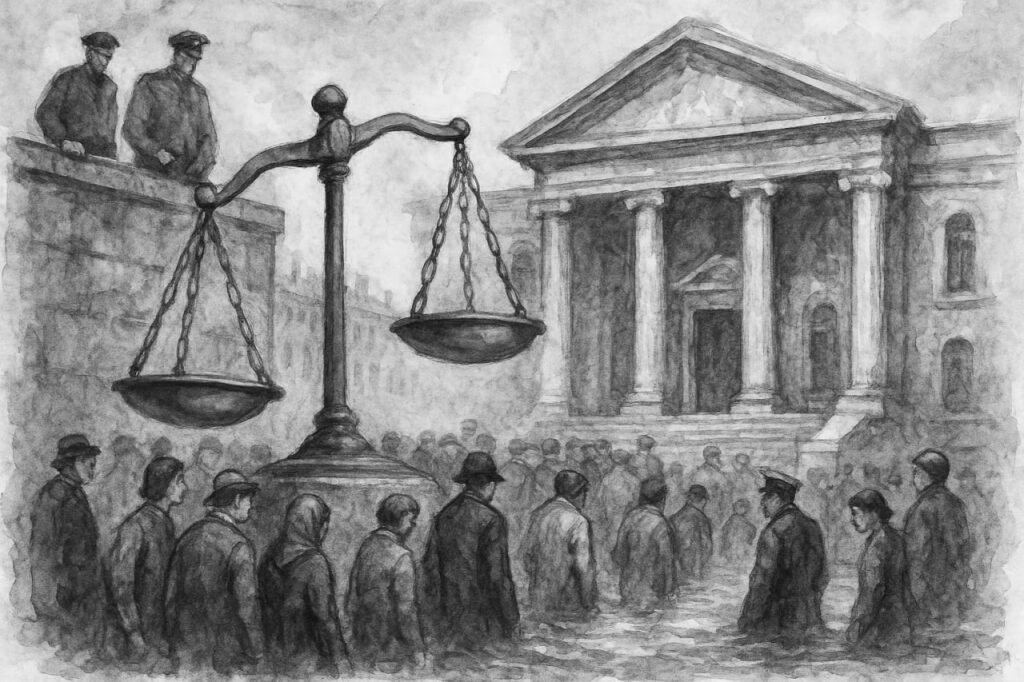
نهادهای نظارتی و تنظیم‌گر (Regulatory and Oversight Institutions) در ظاهر با هدف اجرای قانون و اصلاح شکست‌های بازار ایجاد می‌شوند تا از منافع عمومی، ایمنی و رقابت سالم در اقتصاد محافظت کنند.

در نظریه، چنین نهادهایی باید نقش داور بی‌طرف را ایفا کنند و اجازه دهند بازیگران بازار آزادانه نوآوری کرده و منابع را به شکل کارآمد تخصیص دهند.

با این حال، تجربه تاریخی نشان داده است که بسیاری از این نهادها به مرور زمان از مأموریت اصلی خود فاصله می‌گیرند. پدیده‌هایی همچون تورم وظایف (Mission Creep)، تسخیر نهاد تنظیم‌گر (Regulatory Capture) و اجرای خودسرانه قوانین باعث می‌شود که نهادهای نظارتی از نقش تنظیم‌گری صرف خارج شده و به بازیگران مداخله‌گر در اقتصاد تبدیل شوند؛ تا جایی که گاه مالکیت خصوصی و آزادی بازار را نقض می‌کنند.

در این مقاله بررسی می‌کنیم که چگونه و چرا نهادهای نظارتی در مسیر زمان از تنظیم‌گر به مداخله‌گر تبدیل می‌شوند و این روند چه پیامدهایی برای آزادی اقتصادی و مالکیت فردی دارد. این تحلیل با تکیه بر نظریه‌ اقتصادی (Libertarian) انجام می‌شود و نمونه‌های جهانی از ایالات متحده، اتحادیه اروپا، چین و آمریکای لاتین را مورد بررسی قرار می‌دهد.

در عین آن‌که به دیدگاه‌های متفاوت نیز اشاره می‌کنیم، تمرکز اصلی مقاله بر پیامدهای منفی و بلندمدت این تحول نهادی است.

چارچوب نظری: تنظیم‌گری، مالکیت و آزادی اقتصادی

در نظریه‌ی کلاسیک اقتصاد، امنیت مالکیت خصوصی و آزادی بازار، زیربنای شکوفایی اقتصادی محسوب می‌شود. فریدریش هایک و سایر اندیشمندان مکتب بازار آزاد بر این باورند که هیچ نهاد مرکزی یا تنظیم‌گری نمی‌تواند با حجم اطلاعات و نوآوری ناشی از کنش‌های آزادانه‌ی افراد در بازار رقابت کند.

از این منظر، دخالت دولت تنها در موارد خاص (مانند جلوگیری از انحصار یا کنترل بر پیامدهای بیرونی منفی) موجه است؛ زیرا هرگونه مداخله بیش از حد، خود منجر به ناکارآمدی می‌شود.

جورج استیگلر، اقتصاددان برنده‌ی نوبل، در نظریه‌ی مشهور خود بیان می‌کند که مقررات دولتی اغلب به ابزاری برای رانت‌جویی (Rent-Seeking) تبدیل می‌شوند — یعنی گروه‌های ذی‌نفع با فشار سیاسی از دولت می‌خواهند از قدرت تنظیم‌گرانه برای محدود کردن رقبا و تثبیت منافع خود استفاده کند.

بر اساس نظریه‌ی انتخاب عمومی (Public Choice Theory) که توسط بکانن، تالاک و استیگلر گسترش یافت، کارگزاران دولتی و نهادهای نظارتی نیز مانند سایر افراد، تابع منافع و انگیزه‌های خود هستند، نه الزاماً «منافع عمومی». بنابراین، حتی در صورت نیت خیر، ممکن است ساختار انگیزشی موجب تصمیمات ناعادلانه یا مداخله‌گرانه شود.

از دیدگاه مکتب اتریشی و لیبرتری، نظارت دولتی هرچند ممکن است در ابتدا برای حمایت از بازار ایجاد شود، در عمل تمایل به گسترش خود دارد و به تدریج تبدیل به مانعی برای نوآوری و خلاقیت می‌شود.

همان‌طور که «بورن و میلر» از مؤسسه‌ی کاتو اشاره می‌کنند، دولت با وضع قوانین پیچیده و مجوزهای انحصاری، فضای خلاقیت را خفه می‌کند و هرچه تعداد اهداف و مسئولیت‌های یک نهاد نظارتی بیشتر شود، هزینه‌های اقتصادی و اجتماعی آن افزایش می‌یابد.

در مقابل، طرفداران مداخله‌ی دولت معتقدند که بازار به‌تنهایی قادر به حفاظت از منافع عمومی نیست و نهادهای نظارتی برای مقابله با مواردی مانند آلودگی، تقلب یا آسیب‌های اجتماعی ضروری‌اند.

از این دیدگاه، شکست بازارها (نظیر اطلاعات نامتقارن یا کالاهای عمومی) توجیهی برای وجود نهادهای نظارتی مانند سازمان غذا و دارو (FDA)، آژانس حفاظت محیط‌زیست (EPA) یا نهادهای مالی است.

با این حال، نظریه‌های اقتصادی هشدار می‌دهند که حتی اگر این نهادها در ابتدا برای رفع شکست بازار ایجاد شوند، به‌مرور دچار تورم مأموریت و گسترش اختیارات می‌شوند. پس از تشکیل، هر نهاد تمایل دارد دامنه‌ی مسئولیت خود را افزایش دهد، بودجه‌ی بیشتری مطالبه کند و در حوزه‌های جدید وارد شود.

نتیجه‌ی این روند، تبدیل تنظیم‌گر به مداخله‌گر است — نهادی که به جای ایجاد تعادل در بازار، مستقیماً در تخصیص منابع، تصمیمات تولید، قیمت‌گذاری و حتی مالکیت دخالت می‌کند.

در ادامه، به بررسی سازوکار این تغییر نهادی از طریق نمونه‌های واقعی و تحلیل آثار آن بر نوآوری، سرمایه‌گذاری و آزادی اقتصادی خواهیم پرداخت.

تورم مأموریت و گسترش دامنه‌ی اختیار

«تورم مأموریت» (Mission Creep) اصطلاحی است که به روند تدریجی گسترش وظایف و حوزه‌ی اختیارات یک سازمان فراتر از مأموریت اصلی آن اشاره دارد. برای مثال، ممکن است نهادی که در ابتدا با هدف کنترل آلودگی صنعتی تأسیس شده، در گذر زمان به حوزه‌هایی مانند سیاست انرژی، برنامه‌ریزی شهری یا حتی مدیریت منابع طبیعی وارد شود.

این تغییر معمولاً به‌صورت تدریجی رخ می‌دهد و گاه آن‌قدر ظریف است که در نگاه اول دیده نمی‌شود. نهادهای نظارتی تحت فشار سیاسی، رسانه‌ای یا اجتماعی، به‌تدریج مأموریت خود را تفسیر موسّع‌تری می‌کنند تا خود را پاسخ‌گوی نیازهای جدید نشان دهند. اما نتیجه، اغلب نهادهایی است که دیگر تنظیم‌گر بازار نیستند، بلکه خود به بازیگر اقتصادی و سیاسی تبدیل می‌شوند.

عوامل متعددی در این پدیده نقش دارند:

انگیزه‌ی بوروکراتیک برای گسترش قدرت و بودجه: هرچه دامنه‌ی مسئولیت نهاد افزایش یابد، توجیهی برای افزایش بودجه و کارکنان به‌وجود می‌آید.

استفاده‌ی سیاسی از نهادها: سیاست‌مداران برای پیشبرد اهداف خود، از ظرفیت نهادهای موجود استفاده می‌کنند تا بدون نیاز به تصویب قوانین جدید، سیاست‌های دلخواه را اجرا کنند.

تغییر انتظارات عمومی: وقتی یک نهاد بیش از حد در موضوعات مختلف دخالت می‌کند، مردم نیز به‌تدریج انتظار دارند در هر بحران یا مسئله‌ای نقش‌آفرین باشد — حتی اگر آن موضوع در حوزه‌ی تخصصش نباشد.

نمونه‌ای گویا از تورم مأموریت را می‌توان در عملکرد «سازمان بهداشت عمومی انگلستان» (Public Health England) در دوران همه‌گیری کووید-۱۹ مشاهده کرد. این نهاد، که مأموریت اصلی‌اش کنترل بیماری‌های واگیردار بود، در سال‌های پیش از بحران تمرکز خود را به موضوعاتی همچون «سلامت اجتماعی» و «سبک زندگی» معطوف کرده بود. مدیر وقت سازمان حتی اعلام کرده بود که عواملی چون شغل، مسکن و روابط اجتماعی، کلید اصلی سلامت جامعه هستند — موضوعاتی که خارج از توان و مأموریت مستقیم سازمان بود. در نتیجه، هنگامی که پاندمی کرونا فرا رسید، نهادی که باید محور اصلی مقابله با بحران می‌بود، «از هم پاشید» و به گفته‌ی رسانه‌ها، بخش عمده‌ای از منابعش صرف کنفرانس‌ها، گزارش‌های مفهومی و پروژه‌های حاشیه‌ای شده بود.

در ایالات متحده نیز نمونه‌ای مشابه دیده شد. مرکز کنترل و پیشگیری از بیماری‌ها (CDC) که برای نظارت بر بیماری‌های واگیردار تأسیس شده بود، در جریان بحران کرونا اقدام به صدور فرمانی برای تعلیق اخراج مستأجران کرد — اقدامی که هیچ ارتباطی با سلامت عمومی نداشت. در نهایت، دیوان عالی ایالات متحده در پرونده‌ی Alabama Association of Realtors v. HHS این دستور را لغو کرد و اعلام نمود که CDC از حدود اختیارات قانونی خود فراتر رفته است. این پرونده نشان داد که چگونه نهادهای نظارتی می‌توانند در شرایط اضطراری، مرزهای قانونی خود را کنار بگذارند و به صورت خودسرانه به حوزه‌هایی وارد شوند که هیچ‌گونه صلاحیتی در آن ندارند.

نمونه‌ای دیگر در سطح بین‌المللی، سازمان جهانی بهداشت (WHO) است. این نهاد که در ابتدا برای کنترل بیماری‌های عفونی تأسیس شد، در دهه‌های اخیر به موضوعاتی چون برابری جنسیتی، فقر، تغییرات اقلیمی و سبک زندگی نیز وارد شده است. اگرچه همه‌ی این مسائل اهدافی ارزشمند هستند، اما گسترش بی‌حد مأموریت موجب شده تمرکز سازمان بر وظیفه‌ی اصلی‌اش یعنی واکنش سریع به بحران‌های بهداشتی کاهش یابد. در نتیجه، منابع و انرژی مدیریتی صرف پروژه‌هایی می‌شود که بیشتر رنگ و بوی سیاسی دارند تا علمی. این همان مسیر خطرناکی است که هر نهاد نظارتی ممکن است طی کند: از «تنظیم‌گری» تا «مداخله‌گری».

تسخیر نهاد تنظیم‌گر و نفوذ منافع خاص

پدیده‌ی تسخیر نهاد تنظیم‌گر (Regulatory Capture) زمانی رخ می‌دهد که صنایع یا گروه‌هایی که قرار بوده تحت نظارت قرار گیرند، در عمل کنترل یا نفوذ مؤثر بر نهاد نظارتی پیدا می‌کنند. در این حالت، نهاد به جای خدمت به منافع عمومی، به ابزاری برای حفظ منافع اقتصادی یا سیاسی گروه‌های خاص تبدیل می‌شود.

«جورج استیگلر» در نظریه‌ی معروف خود در دهه‌ی ۱۹۷۰ توضیح داد که بنگاه‌ها و صاحبان صنایع، تمایل دارند از قدرت دولت برای حفاظت از خود در برابر رقابت استفاده کنند. در نتیجه، نهاد تنظیم‌گر به جای کاهش انحصار، به ابزار تثبیت آن بدل می‌شود. نمونه‌های تاریخی متعددی از این پدیده در ایالات متحده وجود دارد. به‌عنوان مثال:

کمیسیون هوانوردی غیرنظامی (CAB) که بر خطوط هوایی نظارت داشت، دهه‌ها قیمت‌ها و مسیرها را به‌صورت دستوری تعیین می‌کرد و در عمل مانع رقابت و کاهش قیمت‌ها می‌شد.

کمیسیون بازرگانی بین‌ایالتی (ICC) نیز با فشار شرکت‌های راه‌آهن، محدودیت‌هایی علیه حمل‌ونقل جاده‌ای وضع کرد تا از انحصار ریلی حفاظت کند.

دهه‌ی ۱۹۸۰، با اجرای سیاست‌های آزادسازی و حذف این نهادها، نتایج روشن شد: کاهش قیمت‌ها، افزایش رقابت و رشد بهره‌وری — یعنی دقیقاً برعکس هدفی که نهادهای تنظیم‌گرِ تسخیرشده ایجاد کرده بودند.

در عصر حاضر «تسخیر نرم» و غیرمستقیم نهادها شایع‌تر است. در بسیاری از کشورها، روابط نزدیک میان مدیران صنایع و سیاست‌گذاران باعث می‌شود تصمیمات نهادهای نظارتی بیشتر در خدمت منافع شرکت‌های بزرگ یا دولت‌ها باشد تا منافع عموم. در چنین شرایطی، نظارت تبدیل به مداخله می‌شود: نهاد به جای داوری بی‌طرف، طرف یکی از بازیگران بازار را می‌گیرد.

برای نمونه، در برخی کشورهای درحال‌توسعه، نهادهای نظارتی با داشتن اختیارات گسترده و مبهم، به راحتی می‌توانند از قانون به عنوان ابزار فشار یا امتیازدهی سیاسی استفاده کنند. مطالعات مؤسسات اقتصادی اروپایی نشان داده که در کشورهایی با ساختار نهادی ضعیف، چنین قدرت‌های نامحدودی معمولاً به اجرای سیاسی‌شده‌ی قانون، فساد اداری، و فرار سرمایه‌گذاران خارجی منجر می‌شود.

در آمریکای لاتین، این روند به‌روشنی قابل مشاهده است. در کشورهایی مانند ونزوئلا و آرژانتین، نهادهای نظارتی در بخش‌های انرژی و کشاورزی عملاً به بازوی اجرایی سیاست‌های دولتی تبدیل شده‌اند؛ از کنترل قیمت‌ها گرفته تا مصادره‌ی شرکت‌های خصوصی. در پی این مداخله‌گری، اعتماد سرمایه‌گذاران داخلی و خارجی به نظام حقوقی از بین رفته و پویایی بازارها تضعیف شده است.

به‌طور خلاصه، وقتی تنظیم‌گر در خدمت صاحبان قدرت یا ثروت قرار گیرد، از نقش نظارتی خود فاصله می‌گیرد و به عامل مداخله در اقتصاد بدل می‌شود — مداخله‌ای که به جای تضمین آزادی، خود آن را محدود می‌کند.

اجرای خودسرانه‌ی قانون و فرسایش حاکمیت قانون

یکی از پیامدهای خطرناک گسترش اختیارات نهادهای نظارتی، اجرای خودسرانه و سلیقه‌ای قانون است.

وقتی یک نهاد می‌تواند قوانین را به‌دلخواه تفسیر یا حتی بازتعریف کند، دیگر فعالان اقتصادی نمی‌توانند به‌درستی پیش‌بینی کنند چه چیزی «قانونی» محسوب می‌شود و چه چیزی نه.

در چنین شرایطی، اصل بنیادین حاکمیت قانون (Rule of Law) — یعنی اینکه قانون باید شفاف، ثابت و قابل پیش‌بینی باشد — تضعیف می‌شود.

در ایالات متحده، نمونه‌ای بارز از این پدیده در دکترین موسوم به Chevron Deference دیده می‌شد. بر اساس این اصل، دادگاه‌ها موظف بودند در صورت وجود ابهام در متن قانون، تفسیر نهاد اجرایی را بپذیرند، حتی اگر آن تفسیر موجب گسترش بی‌سابقه‌ی اختیارات آن نهاد می‌شد.

نتیجه آن بود که بسیاری از آژانس‌ها توانستند با تفسیرهای موسع، دامنه‌ی اختیارات خود را افزایش دهند و مقرراتی وضع کنند که اساساً توسط کنگره تصویب نشده بود.

هرچند این اصل در سال‌های اخیر محدود شده است، اما آثار آن در دهه‌های گذشته، به‌ویژه در حوزه‌هایی چون سلامت، محیط‌زیست و فناوری، محسوس بود.

برای مثال، سازمان غذا و دارو آمریکا (FDA) در سال ۲۰۱۳ شرکت نوپای «۲۳andMe» را که کیت‌های آزمایش ژنتیکی برای مصرف‌کنندگان عرضه می‌کرد، مجبور کرد فروش محصولات خود را متوقف کند.

.اف‌دی‌ای اعلام کرده بود که این کیت‌ها در دسته‌ی «ابزار پزشکی» قرار می‌گیرند و نیازمند تأیید رسمی هستند

در نتیجه، محصولی که نوآورانه و غیرتهاجمی بود، سال‌ها از بازار حذف شد تا مجوزهای لازم صادر شود.

این نمونه نشان می‌دهد که چگونه تفسیر ناگهانی یک نهاد نظارتی می‌تواند به‌سادگی کل مدل کسب‌وکار یک شرکت نوآور را از بین ببرد.

در حوزه‌ی محیط‌زیست نیز نمونه‌هایی مشابه دیده می‌شود. سازمان حفاظت محیط‌زیست آمریکا (EPA) گاهی از ابزارهای نظارتی خود برای اعمال سیاست‌هایی استفاده کرده که فراتر از مجوز کنگره بوده است؛ تا جایی که دیوان عالی در پرونده‌ی West Virginia v. EPA اعلام کرد این نهاد از حدود صلاحیت خود تجاوز کرده است.

اما اجرای خودسرانه تنها مختص کشورهای دموکراتیک نیست. چین، این پدیده شکلی آشکارتر و سیاسی‌تر به خود گرفته است.

در طی سال‌های اخیر، دولت چین با استفاده از قوانین مبهم «ضد انحصار» و «امنیت سایبری»، اقدام به جریمه و محدودسازی غول‌های فناوری مانند علی‌بابا، دیدی و تِنسنت کرده است.

سال ۲۰۲۱، دولت چین شرکت علی‌بابا را به پرداخت ۲٫۸ میلیارد دلار جریمه محکوم کرد و تنها دو روز پس از عرضه‌ی اولیه‌ی دیدی در بازار بورس نیویورک، تحقیقات امنیتی علیه آن آغاز شد.

نتیجه، از بین رفتن بیش از دو تریلیون دلار از ارزش بازار شرکت‌های فناوری چین تا سال ۲۰۲۲ بود.

این اقدامات به کارآفرینان و سرمایه‌گذاران پیام روشنی داد: در چین، قانون قابل پیش‌بینی نیست و مالکیت خصوصی همیشه در معرض تصمیم سیاسی است.

از دیدگاه حقوقی، چنین اقداماتی را می‌توان مصداق سلب مالکیت غیرمستقیم (Indirect Expropriation) دانست — وضعیتی که در آن دولت بدون تصاحب رسمی دارایی، با اعمال مقررات، استفاده و بهره‌برداری از آن را محدود می‌کند.

به‌عنوان مثال، اگر وزارت کشاورزی ناگهان کشت محصولی را به بهانه‌ی حفظ محیط‌زیست ممنوع کند، مالک زمین عملاً کنترل دارایی‌اش را از دست داده است، هرچند هنوز سند مالکیت به نام اوست.

در چنین شرایطی، قانون در ظاهر برقرار است اما در عمل، حق مالکیت نقض شده است.

به‌تدریج، این نوع مداخلات به بی‌اعتمادی ساختاری میان بخش خصوصی و نهادهای دولتی منجر می‌شود.

کارآفرینان از ریسک تصمیمات غیرمنتظره‌ی نهادها هراس دارند، سرمایه‌گذاران خارجی عقب‌نشینی می‌کنند و نوآوری به رکود می‌رسد.

در نهایت، نظام اقتصادی از حالت «قابل پیش‌بینی و مبتنی بر قانون» به نظامی سلیقه‌ای و ناامن تبدیل می‌شود که در آن موفقیت اقتصادی نه با خلاقیت و بهره‌وری، بلکه با نزدیکی به مراکز قدرت تعیین می‌شود.

مطالعات موردی جهانی

ایالات متحده آمریکا

در ایالات متحده، تاریخ طولانی مداخله‌گری و سپس اصلاحات آزادسازی (Deregulation) نشان می‌دهد که چگونه نهادهای نظارتی می‌توانند هم موجب رکود شوند و هم در صورت اصلاح، رشد را احیا کنند.

در میانه‌ی قرن بیستم، صنایع بزرگی مانند خطوط هوایی، مخابرات و حمل‌ونقل جاده‌ای تحت کنترل سخت‌گیرانه‌ی نهادهایی قرار داشتند که عملاً از رقابت جلوگیری می‌کردند. کمیسیون هوانوردی غیرنظامی (CAB) و کمیسیون بازرگانی بین‌ایالتی (ICC) از جمله نهادهایی بودند که در عمل از شرکت‌های بزرگ در برابر رقابت جدید محافظت می‌کردند.

اما از دهه‌ی ۱۹۷۰ تا ۱۹۹۰، ایالات متحده موجی از اصلاحات آزادسازی را آغاز کرد و با حذف این نهادها، شاهد کاهش قیمت‌ها، افزایش رقابت و رشد سریع بهره‌وری شد — درست همان‌طور که نظریه‌ی اقتصادی پیش‌بینی می‌کرد.

در دهه‌های اخیر، اما شکل جدیدی از مداخله‌گری در ایالات متحده ظاهر شده است. نهادهایی که برای حفظ سلامت یا ایمنی عمومی تأسیس شده‌اند، اکنون گاه به مانعی در برابر نوآوری تبدیل شده‌اند.

برای مثال، اداره‌ی هوانوردی فدرال (FAA) سال‌ها اجازه‌ی استفاده‌ی تجاری از پهپادها را صادر نکرد، و همین باعث شد پروژه‌ی تحویل هوایی آمازون (Amazon Prime Air) تنها در کشورهایی اجرا شود که سیاست‌های بازتری داشتند.

همچنین، شرکت‌هایی مانند Uber و Airbnb نیز با ده‌ها پرونده و محدودیت شهری روبه‌رو شدند، در حالی که ماهیت آن‌ها صرفاً مبتنی بر نوآوری در مدل کسب‌وکار بود، نه نقض قانون.

این موارد نشان می‌دهد که ذهنیت احتیاطی (Precautionary Principle) — یعنی فرض خطر تا زمانی که خلافش ثابت شود — در عمل می‌تواند فلج‌کننده باشد.

در چنین نظامی، نهادهای نظارتی به‌جای حفظ تعادل، خود تبدیل به دروازه‌بان‌های انحصاری ورود به بازار می‌شوند.

اتحادیه‌ی اروپا

اتحادیه‌ی اروپا یکی از پیچیده‌ترین و قدرتمندترین نظام‌های نظارتی در جهان را دارد. این ساختار با هدف حفظ سلامت عمومی، محیط‌زیست و رقابت عادلانه ایجاد شده است، اما در عمل به قدرتی مافوق بازار تبدیل شده که بعضاً آزادی کسب‌وکارها را محدود می‌کند.

نمونه‌ی بارز، قانون بازارهای دیجیتال (Digital Markets Act – DMA) مصوب سال ۲۰۲۲ است.

هدف این قانون، مهار قدرت شرکت‌های بزرگ فناوری مانند گوگل، اپل و متا عنوان شده است.

اما بسیاری از اقتصاددانان هشدار داده‌اند که این قانون بیش از اندازه کلی و سخت‌گیرانه است و می‌تواند نوآوری را در بازارهای پویا خفه کند.

طبق گزارش مؤسسه‌ی ECIPE، چنین مقرراتی با رویکرد پیش‌دستانه (Ex-Ante) می‌تواند به «سنگین‌ترین شکل مداخله» منجر شود، زیرا قبل از وقوع تخلف، محدودیت ایجاد می‌کند و فرض را بر خطرناک بودن شرکت‌های موفق می‌گذارد.

منتقدان همچنین اشاره می‌کنند که اثر «برون‌مرزی» (Brussels Effect) این قوانین باعث می‌شود کشورهای دیگر، به‌ویژه اقتصادهای درحال‌توسعه، به تقلید از این الگو بپردازند. اما در غیاب نهادهای مستقل و قضایی قوی، اجرای چنین سیاست‌هایی می‌تواند به سوءاستفاده و تصمیم‌گیری سیاسی منجر شود.

به گفته‌ی همان گزارش، در کشورهایی که نهادهای قانونی ضعیف‌تری دارند، قدرت زیاد رگولاتورها «خطر اجرای سیاسی، فساد و فرار سرمایه» را افزایش می‌دهد.

در حوزه‌ی رقابت نیز اتحادیه‌ی اروپا گاهی پا را فراتر از نظارت گذاشته است.

کمیسیون اروپا در پرونده‌هایی مانند مایکروسافت (۲۰۰۴) یا اپیک‌گیمز و اپل (۲۰۲۴) اقدام به اعمال جریمه‌ها و دستورات ساختاری کرد که بسیاری از کارشناسان آن را فراتر از اختیارات قانونی دانسته‌اند.

چنین برخوردهایی، هرچند با هدف «حفظ عدالت بازار» انجام می‌شوند، اما عملاً کارایی اقتصادی و پویایی نوآوری را کاهش می‌دهند و کسب‌وکارهای دیجیتال را در فضایی از عدم قطعیت دائمی قرار می‌دهند.

چین

چین شاید آشکارترین نمونه‌ی تبدیل نهاد نظارتی به ابزار کنترل سیاسی باشد.

در دهه‌های ۱۹۹۰ و ۲۰۰۰، دولت چین با رویکردی نسبتاً آزاد به شرکت‌های فناوری اجازه‌ی رشد داد؛ اما از سال ۲۰۲۰ به بعد، روند کاملاً معکوسی در پیش گرفته است.

به بهانه‌ی «عدالت اجتماعی» و «رفاه همگانی»، نهادهای نظارتی چین به ابزار مستقیم حزب کمونیست برای مهار قدرت بخش خصوصی تبدیل شدند.

از جمله اقدامات شاخص، توقف ناگهانی عرضه‌ی اولیه‌ی شرکت Ant Group، جریمه‌ی ۳٫۳ میلیارد دلاری علی‌بابا، و آغاز بازرسی‌های امنیتی علیه دیدی و تِنسنت بود.

این تصمیم‌ها معمولاً نه از مسیر قانون، بلکه به‌صورت دستوری و بدون شفافیت انجام شد.

در نتیجه، تا سال ۲۰۲۲ ارزش بازار شرکت‌های فناوری چین بیش از ۵۰ درصد کاهش یافت و حدود دو تریلیون دلار سرمایه از بازار حذف شد.

این اقدامات به سرمایه‌گذاران داخلی و خارجی این پیام را داد که در چین، مالکیت خصوصی مشروط به وفاداری سیاسی است.

چنین فضایی نه‌تنها جذابیت سرمایه‌گذاری را کاهش داده، بلکه اعتماد بلندمدت به سیستم اقتصادی چین را نیز متزلزل کرده است.

همان‌طور که گزارش شورای آتلانتیک اشاره می‌کند، ثبات حقوقی و تضمین مالکیت از مهم‌ترین عوامل جذب سرمایه‌گذاری خارجی است — و چین با تضعیف آن، بخشی از سرمایه‌گذاران جهانی خود را از دست داده است.

آمریکای لاتین و سایر مناطق

آمریکای لاتین، مداخله‌گری نهادهای نظارتی اغلب با سیاست‌زدگی و فساد ساختاری همراه است.

کشورهایی مانند ونزوئلا، بولیوی و آرژانتین، نهادهایی که در ابتدا برای نظارت بر بازار انرژی یا کشاورزی ایجاد شدند، به ابزار سیاسی برای کنترل قیمت‌ها، توزیع منابع و حتی مصادره‌ی شرکت‌های خصوصی تبدیل شده‌اند. ونزوئلا، بسیاری از زمین‌ها و کارخانه‌ها به بهانه‌ی «عدالت اجتماعی» توسط نهادهای وابسته به دولت مصادره شدند. در مکزیک، کمیسیون انرژی که زمانی نهادی مستقل محسوب می‌شد، در دوره‌های مختلف تحت فشار دولت برای حمایت از شرکت نفت ملی (Pemex) تغییر جهت داد. برزیل، نهادهای مالیاتی و زیست‌محیطی گاه برای برخورد با مخالفان سیاسی مورد استفاده قرار می‌گیرند.

نتیجه‌ی این روند در سطح کلان، بی‌اعتمادی گسترده در میان کارآفرینان و خروج سرمایه از منطقه است.

کارشناسان تأکید می‌کنند که کشورهایی که دچار بی‌ثباتی در مقررات و ضعف قوه‌ی قضائیه‌اند، معمولاً پایین‌ترین میزان سرمایه‌گذاری مستقیم خارجی (FDI) را دارند.

در مقابل، کشورهایی که حاکمیت قانون و استقلال نهادی را حفظ کرده‌اند، بیشترین جذب سرمایه و نوآوری را تجربه می‌کنند.

پیامدهای اقتصادی: نوآوری، کارآفرینی و سرمایه‌گذاری

تحول نهادی از تنظیم‌گری به مداخله‌گری، تأثیری مستقیم و چندبعدی بر ساختار اقتصادی هر کشور دارد.

در ظاهر، ممکن است هدف نهادهای نظارتی حمایت از منافع عمومی یا جلوگیری از آسیب‌های اجتماعی باشد، اما در عمل، دخالت بیش از اندازه معمولاً به کاهش نوآوری، رکود کارآفرینی و فرار سرمایه منجر می‌شود.

 یک- اثر بر نوآوری

نخستین قربانی مداخله‌ی بیش از حد، نوآوری است.

زمانی که نهادهای نظارتی در هر مرحله از فرآیند خلق و عرضه‌ی محصول مداخله می‌کنند — از طراحی و آزمایش گرفته تا قیمت‌گذاری و توزیع — انگیزه‌ی شرکت‌ها برای خلاقیت و ریسک‌پذیری کاهش می‌یابد.

تجربه نشان می‌دهد که اصل «احتیاط بیش از حد» (Precautionary Principle) در کشورهای غربی، هرچند با نیت محافظت از مصرف‌کننده اجرا شده، عملاً به سد راه بسیاری از فناوری‌های نو تبدیل شده است.

نمونه‌ی روشن آن صنعت پهپادها و آزمایش‌های ژنتیکی در ایالات متحده است.

شرکت‌هایی مانند Amazon یا 23andMe سال‌ها به دلیل قوانین مبهم و نگرش محافظه‌کارانه‌ی رگولاتورها، از توسعه و عرضه‌ی خدمات جدید بازماندند.

در مقابل، کشورهایی که چارچوب‌های نظارتی منعطف‌تری داشتند، مانند امارات متحده عربی و سنگاپور، توانستند این صنایع را زودتر بومی‌سازی و صادرات فناوری را آغاز کنند.

به بیان دیگر، قانون سخت‌گیرانه لزوماً به معنای امنیت بیشتر نیست؛ بلکه در بسیاری موارد، به معنای فرصت‌های از دست‌رفته برای اقتصاد ملی است.

وقتی نوآوری باید قبل از اثبات خطر، ممنوع شود، بازار به‌جای پیشرفت، وارد فاز انتظار و رکود می‌شود.

دو- اثر بر کارآفرینی

در سطح خرد، یکی از آسیب‌پذیرترین قربانیان مداخله‌گری نظارتی، کسب‌وکارهای نوپا هستند.

مقررات پیچیده، مجوزهای متعدد، و هزینه‌های بالای انطباق با قانون، مانع ورود کارآفرینان جدید به بازار می‌شود.

طبق گزارش بنیاد Kauffman، تعداد مشاغلی که نیازمند «مجوز فعالیت» در ایالات متحده هستند، از حدود ۱۰ درصد در دهه‌ی ۱۹۵۰ به بیش از ۳۰ درصد در دهه‌ی اخیر رسیده است.

این پدیده که تحت عنوان «Licensing Inflation» شناخته می‌شود، در ظاهر برای حفظ کیفیت خدمات ایجاد شده، اما در عمل به ابزاری برای انحصار حرفه‌ای تبدیل شده است.

هر مجوز تازه، به معنی ورود هزینه‌ی جدید و تأخیر طولانی‌تر برای شروع یک کسب‌وکار است.

مطالعات نشان می‌دهد که شرکت‌های جوان (زیر پنج سال عمر) بیش از هر گروه دیگری مولد شغل جدید هستند.

اما هرچه موانع نظارتی بیشتر شود، احتمال شکل‌گیری همین شرکت‌ها کمتر می‌گردد.

به همین دلیل است که اقتصاددانان بنیاد Kauffman هشدار می‌دهند:

«انباشت تدریجی مقررات در طول زمان، تأثیری نامتناسب و سنگین بر بنگاه‌های کارآفرین دارد و رشد آن‌ها را در نطفه خفه می‌کند.»

در واقع، کارآفرینی بر اساس عدم قطعیت سازنده (Constructive Uncertainty) رشد می‌کند — یعنی آزادی تجربه، آزمون و خطا.

اما وقتی نهادهای نظارتی برای هر فعالیت کوچک مجوز، گزارش و نظارت خاصی می‌طلبند، آن «عدم قطعیت سازنده» جای خود را به «ناامنی فلج‌کننده» می‌دهد.

سه- اثر بر سرمایه‌گذاری داخلی و خارجی

پیامد سوم مداخله‌گری نهادی، کاهش سرمایه‌گذاری مستقیم خارجی (FDI) و کاهش انگیزه‌ی سرمایه‌گذاری داخلی است.

سرمایه‌گذاران به دنبال محیط‌هایی هستند که در آن قوانین شفاف، پایدار و غیرقابل تفسیر به دلخواه باشند.

وقتی نهادهای نظارتی به‌صورت ناگهانی تصمیماتی می‌گیرند که ارزش دارایی‌ها را کاهش می‌دهد یا مسیر بازار را تغییر می‌دهد، سرمایه‌گذار چاره‌ای جز عقب‌نشینی ندارد.

بر اساس گزارش شورای آتلانتیک (Atlantic Council) در سال ۲۰۲۳، کشورهایی که در شاخص «آزادی اقتصادی و حاکمیت قانون» امتیاز بالایی دارند، به‌طور میانگین بیش از ۲۲۰۰ دلار سرمایه‌گذاری مستقیم خارجی به‌ازای هر نفر جذب می‌کنند.

در مقابل، کشورهای فاقد ثبات حقوقی یا با نهادهای مداخله‌گر، معمولاً کمترین سهم از سرمایه‌گذاری جهانی را دارند. آمریکای لاتین، سرمایه‌گذاران خارجی بارها از تصمیمات ناگهانی دولت‌ها در تغییر نرخ مالیات، ملی‌سازی صنایع یا وضع محدودیت‌های صادراتی متضرر شده‌اند.

در کشور چین نیز، همان‌گونه که پیش‌تر اشاره شد، تصمیمات غیرقابل پیش‌بینی رگولاتورها موجب خروج ده‌ها شرکت بین‌المللی از بورس‌های آسیایی شد.

نتیجه‌ی نهایی این است که بازارهایی که از شفافیت قانونی محروم‌اند، نه تنها سرمایه‌گذاری جدید جذب نمی‌کنند، بلکه سرمایه‌ی داخلی خود را نیز از دست می‌دهند.

زیرا سرمایه‌گذار داخلی هم، مانند سرمایه‌گذار خارجی، وقتی بداند هر لحظه ممکن است یک نهاد نظارتی ارزش دارایی‌اش را از بین ببرد، به جای تولید، به سمت بازارهای سفته‌بازانه یا خروج سرمایه گرایش پیدا می‌کند.

 چهار- اثر بر کارایی اقتصادی

فراتر از نوآوری و سرمایه، دخالت نظارتی بیش از اندازه باعث کاهش کارایی تخصیصی (Allocative Efficiency) در کل اقتصاد می‌شود.

در شرایط طبیعی بازار، قیمت‌ها نقش سیگنال را دارند: نشان می‌دهند منابع باید به کدام بخش بروند.

اما زمانی که دولت یا نهادهای نظارتی به‌صورت مستقیم در قیمت‌گذاری، سهمیه‌بندی یا صدور مجوز دخالت می‌کنند، این سیگنال‌ها مخدوش می‌شوند.

در نتیجه، منابع به سمت بخش‌های غیرمولد یا پرریسک هدایت می‌شود و بهره‌وری کل اقتصاد کاهش می‌یابد.

برای مثال، حمایت دولتی از صنایع خاص (مانند خودرو یا انرژی) به‌ظاهر با نیت توسعه انجام می‌شود، اما در عمل، به انحصار و اتلاف منابع منجر می‌گردد.

بازار رقابتی خود به‌تنهایی مکانیزمی برای اصلاح اشتباهات دارد، در حالی که سیستم بوروکراتیک معمولاً اشتباهات خود را تکرار می‌کند، چون انگیزه‌ی اصلاح درونی ندارد.

همان‌طور که فریدمن و هایک اشاره کرده‌اند، هر قانون جدید نوعی «برنامه‌ریزی متمرکز خرد» است.

انباشت بیش از حد این برنامه‌های خرد، در نهایت اقتصادی به‌وجود می‌آورد که به‌صورت de facto (عملی)، متمرکز و غیرآزاد شده است — حتی اگر ظاهراً در چارچوب اقتصاد بازار عمل کند.

دیدگاه‌های جایگزین و عوامل تعدیل‌کننده

البته نباید تصور کرد که همه‌ی اقتصاددانان و نظریه‌پردازان با نگاه منفی به گسترش نهادهای نظارتی می‌نگرند.

برخی پژوهشگران معتقدند آنچه «تورم نظارتی» یا «مداخله‌گری بیش از حد» نامیده می‌شود، در واقع واکنشی طبیعی به پیچیده‌تر شدن ساختار اقتصاد جهانی است.

به بیان دیگر، همان‌طور که بازارها و فناوری‌ها گسترش می‌یابند، خطرات و شکست‌های جدیدی نیز پدید می‌آید که نیازمند نوعی از نظارت و تنظیم‌گری هستند.

برای نمونه، تهدیدات سایبری، هوش مصنوعی، یا تغییرات اقلیمی مسائلی‌اند که در دوران شکل‌گیری نهادهای سنتی نظارتی وجود نداشتند.

بنابراین، از دید این گروه، توسعه‌ی دامنه‌ی نهادهای نظارتی در واقع پاسخی سازگارانه به تحولات عصر جدید است، نه نشانه‌ای از انحراف.

در این نگاه، اصل مشکل نه در «وجود نهاد نظارتی» بلکه در چگونگی طراحی، پاسخ‌گویی و شفافیت عملکرد آن‌ها است.

طرفداران این دیدگاه همچنین استدلال می‌کنند که در غیاب نهادهای نظارتی قوی، بازارها خود به بی‌نظمی و سوء‌استفاده می‌انجامند.

نمونه‌های تاریخی از رسوایی‌های مالی، بحران‌های بانکی یا فجایع زیست‌محیطی (مانند فاجعه نفتی خلیج مکزیک) مؤید آن است که اعتماد عمومی بدون نظارت مؤثر شکل نمی‌گیرد.

به باور این گروه، تنظیم‌گری منطقی می‌تواند رقابت سالم را تقویت کند، از ریسک‌های سیستمی جلوگیری نماید و در بلندمدت حتی به افزایش سرمایه‌گذاری بینجامد.

با این حال، حتی حامیان نظارت نیز تأکید دارند که مرز میان تنظیم‌گری و مداخله‌گری باید به‌دقت تعیین شود.

تجربه نشان داده است که در غیاب سازوکارهای بازبینی و کنترل، نهادهای نظارتی تمایل طبیعی به گسترش قدرت خود دارند.

به همین دلیل، برخی نهادهای پژوهشی و اقتصادی پیشنهاد داده‌اند که برای جلوگیری از انباشت مقررات، باید از ابزارهایی نظیر:

مقررات با تاریخ انقضا (Sunset Clauses)؛

کمیسیون‌های بازبینی مستقل برای ارزیابی تأثیر اقتصادی قوانین؛

و الزام نهادهای نظارتی به ارائه‌ی تحلیل هزینه-فایده پیش از اجرای هر قانون جدید

استفاده شود.

در ایالات متحده، محدودسازی دکترین Chevron Deference توسط دیوان عالی در سال‌های اخیر گامی در همین مسیر است — یعنی بازگرداندن توازن میان قوه‌ی قضاییه، قانون‌گذاری و نهادهای اجرایی.

در اروپا نیز بحث‌هایی درباره‌ی اصلاح مقررات سنگین حریم خصوصی (مانند GDPR) در جریان است تا کسب‌وکارهای کوچک‌تر بتوانند با هزینه‌ی کمتر در بازار رقابت کنند.

با وجود این اصلاحات، اقتصاددانان مکتب لیبرتری همچنان بدبین‌اند.

از نظر آنان، هرچند برخی از این اصلاحات می‌توانند از شدت مداخله‌گری بکاهند، اما ذات بوروکراسی میل به رشد دارد و اگر به حال خود رها شود، دیر یا زود دوباره به سمت تمرکز قدرت و کنترل پیش خواهد رفت.

از این منظر، بهترین راهکار نه «اصلاح مداخله»، بلکه محدود کردن اصل قدرت مداخله است.

لیبرتارین‌ها تأکید می‌کنند که بار اثبات کارآمدی باید بر دوش نهادهای نظارتی باشد:

هر قانونی باید نشان دهد که منافع آن بیش از هزینه‌هایش است — نه اینکه هر ایده‌ی جدیدی به خودی خود مستحق تصویب باشد.

جمع‌بندی نهایی

نهادهای نظارتی دولتی بدون تردید نقشی حیاتی در نظم اقتصادی مدرن دارند.

اما همان‌طور که تجربه‌ی تاریخی و نظریه‌ی اقتصادی نشان می‌دهد، این نهادها در غیاب محدودیت و شفافیت، به‌تدریج از مسیر اولیه‌ی خود منحرف می‌شوند.

آنچه در ابتدا برای حفظ سلامت بازار و جلوگیری از فساد طراحی می‌شود، می‌تواند در طول زمان به ابزار مداخله، کنترل و نقض مالکیت فردی تبدیل شود.

پدیده‌هایی چون تورم مأموریت، تسخیر نهاد توسط گروه‌های ذی‌نفع، و اجرای سلیقه‌ای قوانین، نشان داده‌اند که مرز میان «حمایت از بازار» و «دخالت در بازار» بسیار باریک است.

وقتی این مرز از بین برود، پیامدها نه‌تنها اقتصادی بلکه فرهنگی و اجتماعی نیز خواهند بود:

کاهش انگیزه‌ی نوآوری، از بین رفتن اعتماد عمومی، رکود کارآفرینی، فرار سرمایه، و تضعیف باور به کارآمدی نظام بازار.

تجربه‌ی جهانی از ایالات متحده تا چین، از اتحادیه‌ی اروپا تا آمریکای لاتین، یک نتیجه‌ی مشترک را نشان می‌دهد:

هرگاه تنظیم‌گری از نقش نظارتی خود فاصله بگیرد و به تصمیم‌گیرنده‌ی اقتصادی تبدیل شود، آزادی و مالکیت فردی قربانی می‌شوند.

در نهایت، همان‌طور که هایک هشدار داده بود، هیچ سیستمی — هرقدر نیتش خیر باشد — نمی‌تواند جایگزین دانایی پراکنده‌ی افراد در بازار آزاد شود.

بنابراین، دفاع از بازار آزاد به معنای نفی قانون نیست، بلکه پافشاری بر حکومت قانون به‌جای حکومت نهادها است.

تنظیم‌گری زمانی مشروع و مؤثر است که شفاف، محدود و پاسخ‌گو باشد — نه زمانی که خود به‌صورت پنهان، نقش دولت مداخله‌گر را ایفا کند.

چنان‌که تجربه‌ی قرن بیستم نشان داده است، پیشرفت پایدار تنها در جایی رخ می‌دهد که مالکیت فردی، آزادی بازار و نظارت منطقی در کنار یکدیگر وجود داشته باشند، نه در تقابل با هم.

Comments

One response to “From Regulatory Watchdog to Interventionist Leviathan | از ناظر قانونی تا لویاتان مداخله‌گر”

  1. Salar Tahvildar Avatar

    Regulatory and oversight institutions are nominally created to enforce laws and correct market failures, ensuring consumer protection, safety, and fair competition. In theory, these agencies should act as neutral referees, leaving market participants free to innovate and allocate resources efficiently. Yet, over time many such bodies “drift” far beyond their original mandates. Through phenomena like mission creep, regulatory capture, and arbitrary enforcement, regulators increasingly intervene in economic life in ways that undermine private property and market freedom. This article examines how and why regulatory institutions often transform into interventionist entities, violating ownership rights and impairing markets. We draw on economic and libertarian theory to explain the risks of regulatory overreach, review global examples (from the US, EU, China, and Latin America) and analyze the impacts on innovation, entrepreneurship, foreign investment, and economic efficiency. Alternative perspectives are acknowledged, but the focus remains on the negative consequences of unchecked regulatory expansion.

    Theoretical Perspectives on Regulation and Property Rights

    Classical economic theory holds that secure property rights and free markets are the foundation of prosperity. Friedrich Hayek and other free-market thinkers emphasize that no central plan or regulator can match the information and innovation generated by individuals in open markets. Government intervention should be limited to clear cases of market failure (monopolies, externalities), otherwise regulation risks inefficiency. Nobel laureate George Stigler famously observed that regulation often becomes a tool for rent‑seeking – industry groups persuade governments to coerce competitors for their own benefit. Public choice theory (Buchanan, Tullock, Stigler, et al.) extends this argument: regulators, like any agents, respond to incentives and pressure from interest groups, not just the public good. From an Austrian and libertarian perspective, even well‑intentioned oversight tends to have perverse effects. As Bourne and Miller note, libertarians “stress how government crowds out innovation – through licensing rules that choke off entry”. Every new subsidy, licensing requirement or planning restriction diverts resources and erects barriers. With each added objective under a regulatory agency, costs rise (what one author calls “everything bagelism” of endless goals).

    Contrarily, supporters of robust regulation argue that markets alone cannot always protect public interests (health, safety, environmental quality), and that governments must sometimes step in to correct externalities or fraud. Indeed, proponents of regulation point to cases of corporate abuse or pollution that stringent oversight helped prevent. Market imperfections (asymmetric information, public goods) provide a classical justification for agencies like the FDA, EPA, or financial regulators.  A full analysis must weigh these motives against the costs: even if regulators start by addressing a genuine problem, economic theory predicts risks of over-expansion. Once an agency is created, “mission creep” can follow – agencies accumulate new powers to meet problems beyond their core mission. The next sections examine how this tends to happen in practice, and what effects it has on market freedom and property rights.

    Mission Creep and Expanding Mandates

    “Mission creep” refers to the gradual broadening of an agency’s tasks beyond its original scope.  For example, an environmental agency established to control industrial pollution might later take on energy policy, zoning, or wildlife management. In practice this shift can be subtle. Often, regulators respond to lobbying or political pressure by quietly stretching rules or adding new objectives. The result is an agency that no longer just regulates an industry, but actively manages or intervenes in it.

    Several factors drive mission creep. Bureaucracies naturally seek more budget and influence: handling more issues justifies growth. Politicians also may use existing agencies to pursue new social or economic agendas without creating new legislation. As one analyst notes, modern regulators “tackle [a] broad narrative” by linking many issues under their banner (e.g. linking consumer health with poverty or “social determinants”), thus justifying a wider agenda. Over time the public expectation can shift: people may no longer know whether an agency’s duty is narrow or broad. When COVID-19 struck, for instance, the UK’s Public Health England (PHE) failed spectacularly because its leadership had largely diverted attention to long-term societal “well-being” issues rather than communicable disease preparedness. In other words, PHE had spread itself too thinly, losing sight of its core mission. The Lancet even reported that PHE’s CEO believed “jobs, homes, and friends” (core social determinants) were key to health – tasks beyond the agency’s expertise. Commentators concluded the agency’s “one job was beyond his remit”. The outcome: when a genuine public health crisis arrived, PHE “went to pieces”. Such mission drift squandered resources and undermined public trust in the institution’s competence.

    Another U.S. example of mission creep is the Centers for Disease Control (CDC).  Created to oversee infectious disease, it attempted to impose a nationwide eviction ban during the COVID crisis – a measure far outside typical public health action. In Alabama Association of Realtors v. HHS, the Supreme Court struck down the CDC’s eviction moratorium, ruling the agency had exceeded its statutory authority. This case illustrates how regulators may, under emergency mandates, unilaterally extend their reach. Without clear limits, agencies can act arbitrarily (enforcing sweeping rules by declaration) until checked by courts.

    The World Health Organization (WHO) provides a global illustration. Originally a medical body, it too has “moved beyond” infectious disease control to champion goals like gender equality and universal healthcare. Critics note WHO’s “glorious campaigners” agenda now includes poverty, climate change, and lifestyle regulation – areas far from medicine. While such issues may be “laudable aims,” WHO lacks the mandate or enforcement tools for them. The result can be bureaucratic distraction: 80% of PHE’s time went to “endless conferences، position statements” while neglecting actual epidemics. In sum, mission creep typically dilutes a regulator’s focus and can make oversight capricious – if an agency’s role is undefined, it can drift into arbitrary intervention.

    Regulatory Capture and the Rise of Special Interests

    Closely related to mission creep is regulatory capture: a situation where the industry meant to be regulated actually dominates the regulator. George Stigler’s landmark theory of regulation asserts that firms seek government enforcement to block competition and redistribute wealth. A regulator captured by industry insiders tends to favor incumbent firms, erecting barriers to entry and preserving high prices. In the mid-20th century, U.S. agencies like the Civil Aeronautics Board (CAB) and the Interstate Commerce Commission (ICC) exemplified this. The CAB tightly controlled airlines’ routes and fares; by the 1960s, air travel regulated by the CAB cost more per mile than unregulated intrastate travel. Similarly, railroad companies lobbied the ICC to hamper trucking competition. Captured regulators “kept prices higher than necessary، at the expense of consumers” benefiting industry profitability. These outcomes prompted bipartisan deregulation in the 1970s-80s: the CAB and ICC were abolished, and trucking and airlines were freed from old constraints. Deregulation yielded large efficiency gains, as predicted by Stigler’s theory.

    Today’s capture risks are broader and subtler. In many countries, regulated industries (energy, telecom, banking, etc.) form tight relationships with their oversight agencies. When capture occurs, regulators often act to advance powerful firms or political patrons rather than neutral rules. For example, a competition authority might favor state-owned companies or protect domestic “national champions” under the guise of fairness. Think tanks warn that in some developing markets, granting regulators broad discretionary power invites “politically motivated enforcement” and even corruption. Indeed, the ECIPE report on the EU’s Digital Markets Act notes that emerging economies with weak institutions are especially vulnerable: too much regulator latitude “could increase the risk of politically motivated enforcement, deter foreign investment, and undermine long-term economic growth”. In short, capture and corruption turn oversight into intervention – regulators can arbitrarily tip decisions for favoured interests, violating the rule of law and investors’ property rights.

    Examples abound. In some Latin American countries, agencies meant to regulate utilities or environment end up as instruments of political control. Venezuela’s oil and electricity regulators essentially operate to enforce state policy: private firms are quickly faced with expropriations, price controls or enforced mergers if they displease the government. Argentina too has seen regulatory bodies change the game by imposing unpredictable taxes or quotas on exports. All this shows how capture blurs the line between protecting public interest and exercising direct economic intervention, often to the detriment of smaller market participants and property holders.

    Arbitrary Enforcement and the Erosion of Rule of Law

    Another serious consequence of expanded oversight is arbitrary enforcement. When agencies create vague or shifting rules, businesses cannot reliably predict what is legal. The rule of law – where laws are clear, prospective, and applied evenly – erodes. In many cases, regulators effectively make new rules without legislative sanction or with open-ended mandates.

    A key legal principle in the U.S. exemplifies this danger: Chevron deference. For decades, courts deferred to an agency’s reasonable interpretation of an ambiguous statute, even if that broad reading gave regulators vast power.  Although Chevron was curtailed in 2024, it had allowed agencies to redefine their authority. For example, the FDA once told 23andMe (a genetic testing startup) that its saliva kit was a medical “device,” requiring years of approval. Initially 23andMe offered its genomic tests directly to consumers, but after FDA intervention in 2013, it had to halt sales until obtaining permission. This case shows how an agency’s after-the-fact classification of a product can effectively ban it, chilling innovation. Similarly, the U.S. Environmental Protection Agency (EPA) has sometimes been accused of using its enforcement tools to shape policy beyond what Congress authorized (as in West Virginia v. EPA, which the Supreme Court later checked).

    Arbitrary enforcement is not limited to the U.S. In China’s recent “tech crackdown,” regulators used vague antitrust and cybersecurity rules to abruptly fine and restrict major firms. In 2021, for example, Chinese authorities fined Alibaba $2.8 billion for alleged monopolistic practices, and launched a cybersecurity review of Didi only two days after its IPO. These actions were unpredictable and signaled that the rules could change overnight – undermining any sense of legal stability for business owners. By March 2022, this uncertainty had wiped out roughly $2 trillion in market value from China’s tech giants. Whether one views these moves as politically motivated or “catching up” with Western antitrust, the effect is the same: property rights feel impermanent, and companies know they can be penalized without clear prior notice.

    Ultimately, when oversight agencies enforce rules arbitrarily, they violate the fundamental principles of ownership. Laws become tools of discretion rather than fixed constraints. A privately held asset can be diminished in value or use by regulatory fiat – a concept known legally as indirect expropriation or “regulatory taking.” Trade-investment scholars define indirect expropriation as state action that “takes effective control of, or otherwise interferes with the use, enjoyment or benefit” of property, significantly reducing its economic value. Crucially, no formal title transfer is needed for regulation to constitute such a taking. For instance, if an agriculture ministry forbids planting a certain crop in one’s land (to protect an endemic species), the farmer’s property is effectively “taken” without compensation. By this logic, egregious regulatory overreach can violate ownership rights as surely as direct nationalization.

    Global Case Studies

    United States

    In the U.S., a long history of both aggressive regulation and reactive deregulation illustrates the tension. The mid-20th century saw tightly controlled industries (airlines, telecom, trucking) under regulators who favored incumbents. Deregulation in the 1970s-90s – removing the Civil Aeronautics Board, breaking up AT&T, and modernizing securities law – dramatically lowered prices and spurred innovation. These successes, motivated by economic theory, reversed earlier regulatory overreach.

    More recently, U.S. regulators have aggressively enforced rules in new sectors. For example, the Federal Aviation Administration (FAA) initially blocked amateur drones for years on safety grounds, stalling a nascent industry. The FDA’s 2013 crackdown on 23andMe’s DNA testing kits is another example of rigid enforcement impeding technological progress. Conversely, American entrepreneurs often criticize the “precautionary principle” in regulation: regulators assume new products are unsafe until proven otherwise, whereas startups argue they should be considered safe until harm is shown. This mindset can paralyze innovation. As one libertarian technology analyst notes, under the precautionary regime the FAA grounded drones and Amazon’s delivery initiative “took flight only in countries more hospitable to commerce”. Similarly, ride‑hailing (Uber, Lyft) and home-sharing (Airbnb) faced prolonged battles with city regulators – battles fought on regulatory terms rather than by market choice. These examples illustrate how well-meaning oversight (safety, consumer protection) can become arbitrary gatekeeping that favor incumbents or stifle newcomers.

    European Union

    The EU is often viewed as a regulatory superpower. It embraces broad precautionary policies (e.g. banning GMOs or chemicals absent proof of safety) and has created strong agencies (EFSA, GDPR enforcement, competition authorities). These were intended to protect health and the single market, yet critics say they sometimes distort competition and global trade.

    A prominent recent example is the EU’s Digital Markets Act (DMA) (2022), which seeks to curb the power of major tech “gatekeepers” (Alphabet, Apple, Meta, etc.). The DMA imposes strict obligations (e.g. banning self-preferencing) on designated firms. While aimed at preserving contestability, analysts warn it may be overly rigid. An ECIPE report notes that ex-ante rules like the DMA “risk being overly broad and heavy-handed, stifling innovation in rapidly changing tech markets”. By presuming which companies are dangerous, regulators assume a static view of competition. This risks “imposing rigid regulatory burdens” that limit companies’ ability to adapt. The report cautions that if such policies are “poorly designed and too restrictive, [they] will have a negative impact and harm economic activity in the domestic economy”. Indeed, the DMA’s global influence (via the “Brussels Effect”) encourages other countries to copy EU-style tech regulation. For example, the UK’s new Digital Markets, Competition and Consumers Act echoes the DMA. If developing economies transplant these heavy laws without strong institutions, they may suffer unintended consequences: higher costs, legal uncertainty, and deterred investment.

    On competition more broadly, EU state aid and antitrust policies illustrate interventionism. The European Commission famously forced breakup of companies (e.g. Microsoft in 2004) or imposed huge fines – actions that some argue exceeded original competition law intent.nIn antitrust enforcement, officials sometimes align with national champions, making extra-market judgments (e.g. ordering asset sales) rather than straightforward punishment. Some defenders say this protects consumers and smaller firms, but detractors see EU regulators as pursuing a political agenda.  For instance, EU measures often prioritize maintaining “market fairness” even at the cost of efficiency. Critics term this approach “precautionary antitrust” – anticipating possible future abuses and banning deals on that basis. Such preemptive regulation, while popular with politicians, arguably undermines the dynamic growth that made tech platforms valuable in the first place .

    China

    China presents a stark case of regulatory institutions evolving under authoritarian control. For decades after reform, China pursued a laissez-faire approach to tech and entrepreneurship. Specialized agencies gave wide latitude to internet giants – with little independent judicial recourse, firms thrived. However, since 2020 the Communist Party has dramatically reined in these firms through the regulatory apparatus. This was driven not by market failure but by political goals (“common prosperity”) and desire for social control.

    Starting October 2020, Chinese regulators unleashed rules across fintech, data security, and anti-trust. The government arbitrarily halted Ant Group’s IPO, fined Alibaba and Meituan a record $3.3 billion in 2021 and launched cybersecurity probes into Didi and Tencent. These were executed by agencies (cybersecurity bureau, antitrust commission) acting on high-level political mandates, not by transparent legal process. The firms’ valuations plunged: by early 2022, major tech stocks had lost half their value or more. U.S. regulators expressed concern, as Chinese companies delisted from U.S. markets under opaque rules (e.g. Didi faced forced delisting on data-security grounds).

    From a property rights standpoint, China’s example is dramatic: it signaled that no company is immune from state intervention. Even globally competitive “national champions” saw that political loyalty could override any contract or right. In economic terms, these actions have likely reduced China’s attractiveness to foreign investment. When an economy’s laws can change overnight for political reasons, investors shun it. (Indeed, the Atlantic Council notes that robust legal frameworks and well-defined property rights are prime draws for FDI) In short, China’s regulators have become instruments of industrial policy and social control – far from neutral market guardians – eroding the principle of ownership.

    Latin America and Other Regions

    Many Latin American countries illustrate the dangers of politicized oversight. For example, Venezuela’s regulatory bodies act more like command centers than independent agencies. Land and mineral regulators have often orchestrated expropriation campaigns: private farms and companies were seized without transparent process, violating property rights. Similarly, Ecuador and Bolivia had periods of “resource nationalism,” where mining and oil were tightly controlled by state agencies, discouraging foreign investment. Regulatory capture is also rife: licensing and permits are granted unevenly, often requiring unofficial “facilitation” payments.

    In Brazil, regulatory agencies such as the tax authorities (Receita) or environment agencies (IBAMA) have sometimes been used to target political opponents or manipulate markets. Mexico’s energy regulator once seemed independent, but under changing governments its rulings swung between favoring state oil company Pemex and allowing private competitors, introducing uncertainty. Across Latin America, entrepreneurs complain of a “poor man’s bribe” needed to deal with auditors and inspectors. While many governments justify strict regulation to protect consumers or the environment, critics observe that cumbersome permits and retroactive rule changes often become tools for patrons. In terms of theory, Latin American oversight frequently exemplifies both capture and arbitrary enforcement: agencies intervene in markets to support crony firms or extract rents, not to clear markets. The upshot is predictable: economies with capricious regulators tend to have weaker innovation and lower FDI. As studies show, foreign investors flock to countries with strong rule of law and property protections, and avoid those with chronic regulatory unpredictability. When oversight agencies can seize or nullify contracts at will, entrepreneurship dries up.

    Economic Impacts: Innovation, Entrepreneurship, and Investment

    The institutional shift from regulation to intervention has direct economic consequences. Innovation suffers when entrepreneurs must jump through regulatory hoops. Products and services that might benefit society are delayed or killed by precautionary bans or drawn-out approvals. For instance, as noted above, American innovators haveدstruggled against the “precautionary principle.”  (A libertarian technologist points out that Western regulators grounded delivery drones for years, while competitors in Dubai or China moved ahead) This anecdote mirrors a broader pattern: regulation tends to favor established technologies over disruptive startups. The Internet of Things, genomics, cryptocurrency and other frontier fields often face aggressive enforcement if they threaten existing regulatory frameworks. The portfolio approach – allowing some innovations to proceed under market testing while rescinding harm-causing ones later – is rarely an option when agencies wield veto power ex ante.

    At the entrepreneurial level, burdensome oversight erects entry barriers. A notable study finds that occupational licensing (state permission to work in trades) has soared, now covering nearly 30% of jobs versus 10% decades ago. Licensing erects fixed costs and arbitrary standards that protect incumbents. The Kauffman Foundation observes that licensing “fences out new entrants” and stifles new business creation and innovation. In a dynamic economy, new firms are crucial: businesses less than five years old generate the majority of net new jobs. Indeed, a Kauffman chart (below) shows how young firms account for nearly all net job creation, while older firms tend to shrink.

    Chart: Net job creation by U.S. companies, by firm age (Kauffman Foundation). As the chart illustrates, the youngest firms (blue line) consistently produce the majority of new jobs, whereas firms older than five years generally have zero or negative net hires. Regulatory barriers that discourage startups therefore directly sap job growth and innovation. Even incremental growth-killing regulations can compound over time: “As regulations build up they represent an increasing and disproportionate cost to entrepreneurial firms,” advises a policy study. In practical terms, a would-be entrepreneur facing complex permits, licensing delays, or compliance costs may never take the risk to start a business at all. This choking off of entry is exactly what free‑market theorists warn against.

    For foreign direct investment (FDI), the pattern is similar. Investors seek stable environments where contracts are honored and property protected. Econometric and empirical studies show that countries with higher economic freedom and rule-of-law scores attract far more FDI. The Atlantic Council notes that “free” economies (with strong rights and governance) average about $2,200 FDI per capita (2022), far above “unfree” nations. In contrast, nations with erratic regulation and weak judiciary rank poorly in attracting capital. The direct lesson is that when oversight agencies behave like arbitrary controllers – revising rules unpredictably, expropriating or hiking fines – foreign firms will demand higher risk premia or avoid the market entirely. In Latin America and Africa, for instance, uncertainty over regulatory policy often explains why investors take their money to more stable jurisdictions.

    Finally, economic efficiency is undermined by interventionist oversight. Regulators cannot know all local conditions or consumer preferences. Centralized decisions tend to misallocate resources, while markets naturally adapt to demand. When regulators pick winners and losers (through licensing, subsidies, or bans), they distort the price signals that guide investment. Even if an agency believes it is advancing social goods (say, by subsidizing “green” industries or enforcing union rules), the result is often an economic trade‑off: some sectors over-invest, others languish, and consumers pay higher costs. This reduction in allocative efficiency – the economist’s measure of welfare – is the predictable cost of micromanagement. Nobel laureates like Hayek and Friedman have long warned that complex economies cannot be centrally controlled without inefficiency and encroachment on liberty. Every new regulation is a micro‐plan; too many of them yield a de facto centrally-planned economy, with all its known downsides.

    Alternative Views and Mitigating Factors

    It is important to acknowledge that not all assessments of regulatory expansion are uniformly negative. Some scholars argue that “regulatory creep” is a myth or at least not inherently problematic. They contend that as societies evolve (new technologies, complex finance, environmental issues), regulations must adapt and sometimes expand to cover unforeseen domains. For example, cybersecurity threats or climate change were not on the horizon when many agencies were first created; so it may be argued that extending agency mandates to address these genuinely novel issues is reasonable.

    Moreover, defenders of oversight emphasize that without regulation, powerful actors would exploit loopholes or harm public welfare. Industries have often failed to self-police on issues like pollution, workplace safety or financial fraud.  Regulators can, in principle, level the playing field and correct market failures that markets left unchecked. In some cases, stringent regulation has indeed improved outcomes (for example, banning leaded gasoline or asbestos after evidence of harm). Global organizations like the WHO argue that only coordinated international oversight can manage transnational issues (pandemics, climate) that markets alone cannot solve.

    However, even proponents concede the need for checks and balances. They typically call for transparent rule-making, judicial review of agencies, and sunset provisions to prevent permanent mission creep. For instance, one Kauffman policy brief recommends review commissions or sunset clauses on major regulations to prevent “regulatory accumulation”. In practice, the balance is delicate: agencies must have enough authority to protect public goods, but not so much that they freeze innovation or grab undue power. The recent U.S. Supreme Court decisions (e.g. curtailing Chevron deference) reflect a judicial correction of the balance in favor of limiting agency scope. Similarly, the European Union has begun debates on refining or rolling back certain overly strict rules (e.g. simplifying GDPR compliance for small firms).

    Libertarian critics remain skeptical. They argue that even well-intentioned regulation rarely achieves its goals without collateral damage. The burden of proof, in their view, lies with regulators to show that each new rule actually improves welfare net of its costs. They warn against “anticipatory regulation” – where laws ban hypothetical harms – urging instead an approach where entrepreneurs innovate and regulators act only ex post. This ongoing debate underscores that regulatory design matters: procedures like cost-benefit analysis, stakeholder input, and robust judicial oversight can mitigate some harms of oversight. But as history shows, these safeguards are often ignored or weakened over time, making continued vigilance necessary.

    Conclusion

    Government oversight institutions play a vital role in modern economies, but history and theory both caution that unchecked expansion of regulatory power has serious downsides. As this analysis illustrates, agencies originally created to protect markets may evolve into interventionist bodies that effectively violate ownership rights. Mission creep, regulatory capture, and arbitrary enforcement turn regulators into de facto market participants or controllers, compromising the predictability and freedom of markets. The negative consequences – from stunted innovation to dampened entrepreneurship and reduced foreign investment – are well documented.

    Worldwide examples reinforce the lesson: from the dismantling of U.S. railroad and airline regulators in the 20th century, to concerns over the EU’s proactive competition laws, to China’s ideological tech clampdown, regulatory overreach consistently distorts economic incentives. Although legitimate justifications exist for oversight (public health, environmental protection, anti-monopoly), the transition from regulation to arbitrary intervention undermines those very objectives by eroding trust and efficiency. Economic theory suggests that solutions lie in limiting regulators to clear mandates, enhancing transparency, and fostering competitive checks on government power.

    In the end, ownership rights and the rule of law are the bedrock of a prosperous market economy. When oversight bodies step beyond their lanes, they erode these foundations. A balanced approach requires vigilance to ensure that regulation remains a neutral guardrail rather than a club to beat markets and property. Future policy debates must grapple with these tensions – seeking ways to address genuine market failures without sliding toward interventionist overreach.

Leave a Reply

Your email address will not be published. Required fields are marked *